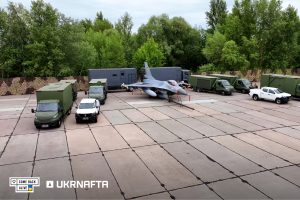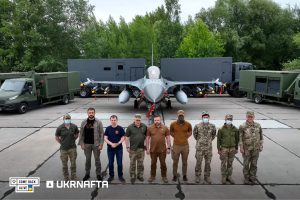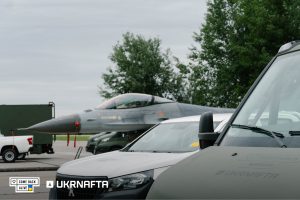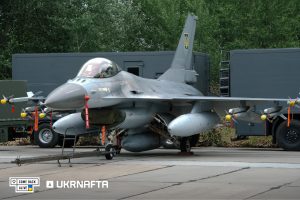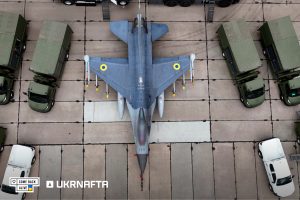


The F-16 is the most advanced Western aircraft in this war.
Around the world, these jets and their weapons are typically serviced using fixed, stationary systems.
But in Ukraine, our airfields are under constant threat from the enemy.
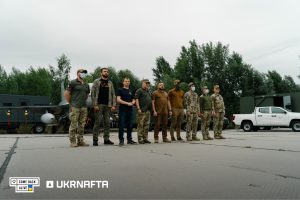
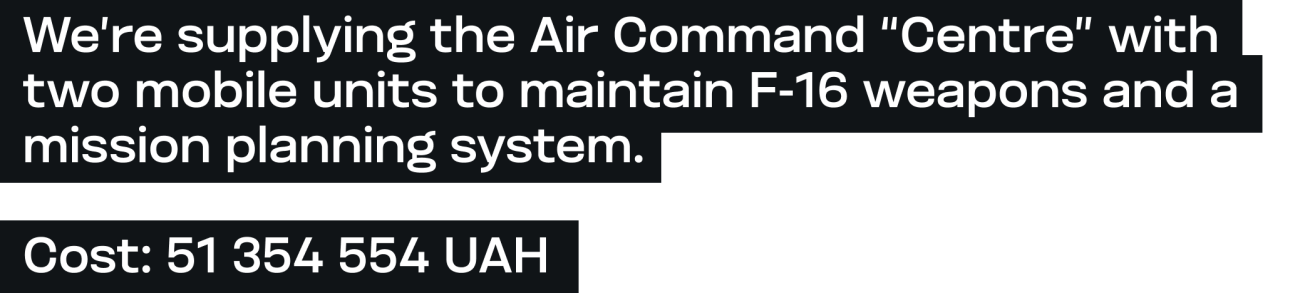
At the request of Ukraine’s Ministry of Defence, “Come Back Alive” purchased and delivered the country’s first mobile servicing units for next-generation fighter jets to the Air Force.
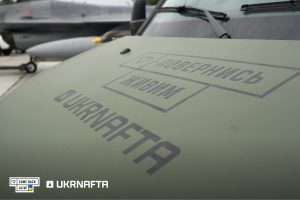
This was made possible thanks to a contribution of 49,438,176 UAH from the state-owned company UKRNAFTA
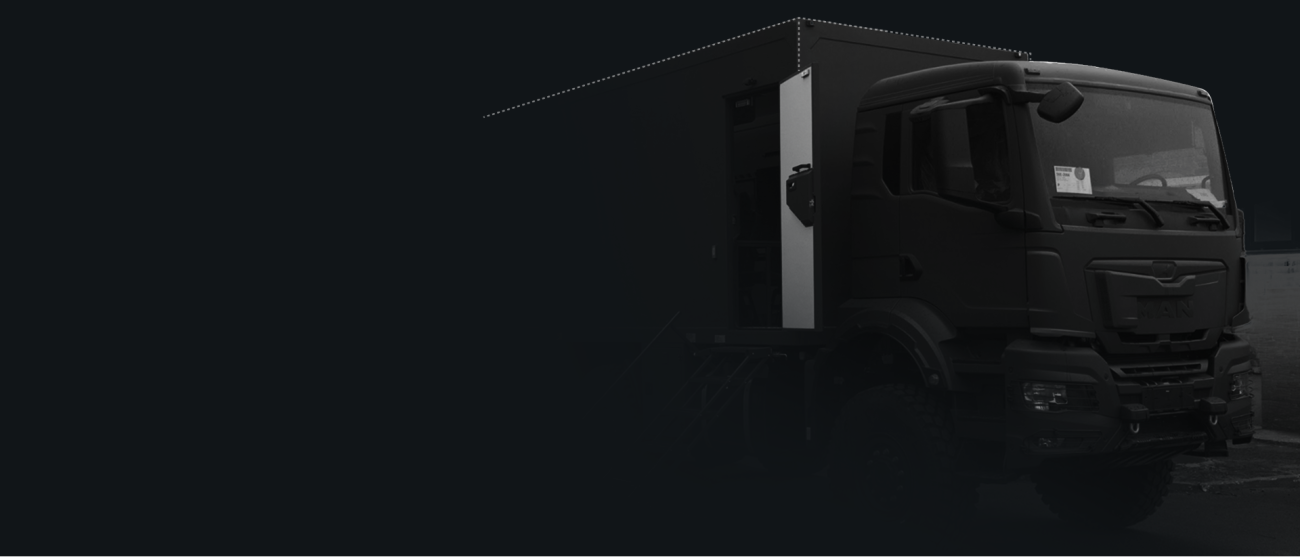
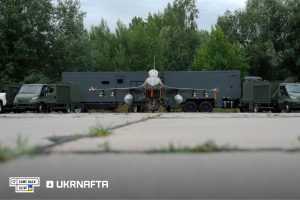
The units create a full-service ecosystem that makes it possible to maintain aircraft at both main and temporary airfields.
Previously, attaching a single munition required 10 to 12 people. The new system needs only three — and gets the job done twice as fast.
Each of the two servicing units includes:
- a workshop for preparing and testing aviation weapons
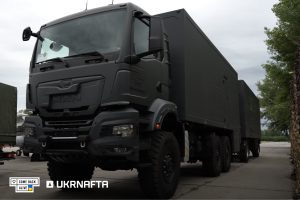
- two vans for transporting and loading munitions
- one pickup truck for easier logistics

Van for mounting munitions

Van for mounting munitions

Mobile workshop

Pickup truck
The mission planning unit includes:
- an operations module for pre-flight briefings and maintaining communication with pilots
- – a living module where operators can rest during long shifts and relocations

Mission planning unit

Operations module inside the unit

Living module
Frequently Asked Questions
Why change the approach to servicing F-16s?
Currently, F-16s are serviced strictly at airfields. The aircraft must be transported to a specific location where it can be inspected, armed, and cleared for operation. This setup creates security challenges — and the further the war goes on, the harder it becomes to protect the jets from enemy missile strikes.
The new mobile units can be deployed anywhere the aircraft lands, including in emergency landing situations. This makes it easier to protect the jets, prepare them for combat more quickly, and reduce the number of personnel needed for the entire process.
How does the mission planning unit work?
The mission planning unit consists of two modules — an operations module and a living module.
The operations module has five workstations and is used for pre-flight briefings with pilots, task planning, and supporting aircraft operations in the nearby zone.
Why does the mission planning unit include living modules?
The main advantage of the unit is its mobility. When it’s relocated between airfields or sent to sites of emergency landings, the team needs to be prepared for long travel, extended shifts, and standby periods. The living module ensures they can rest and stay operational throughout.
What does the aircraft servicing unit do?
Its main task is to prepare aviation weapons and mount munitions onto the aircraft. Each unit is fully equipped to get a jet ready for a combat mission.