Varan UGV Operator School
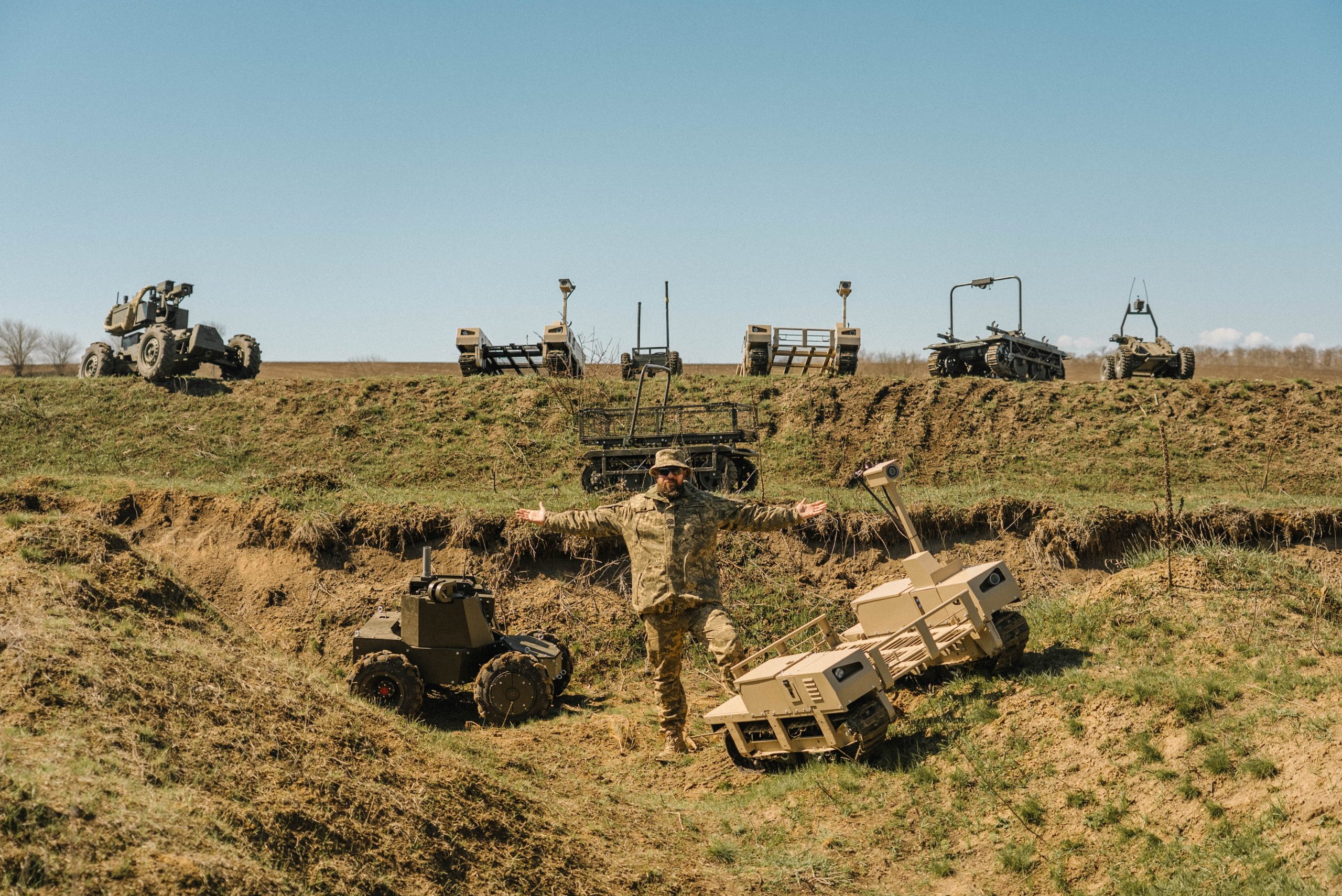
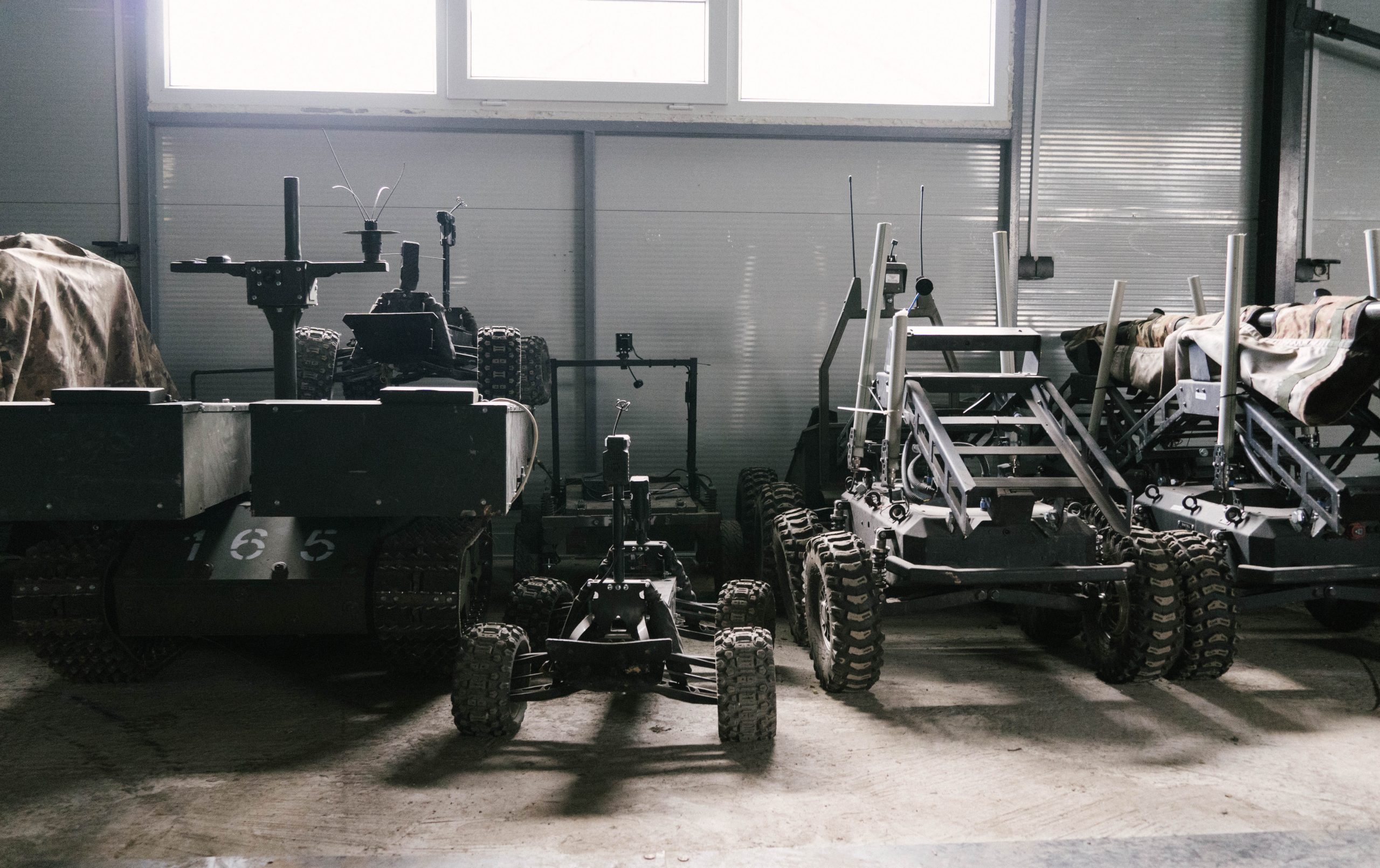
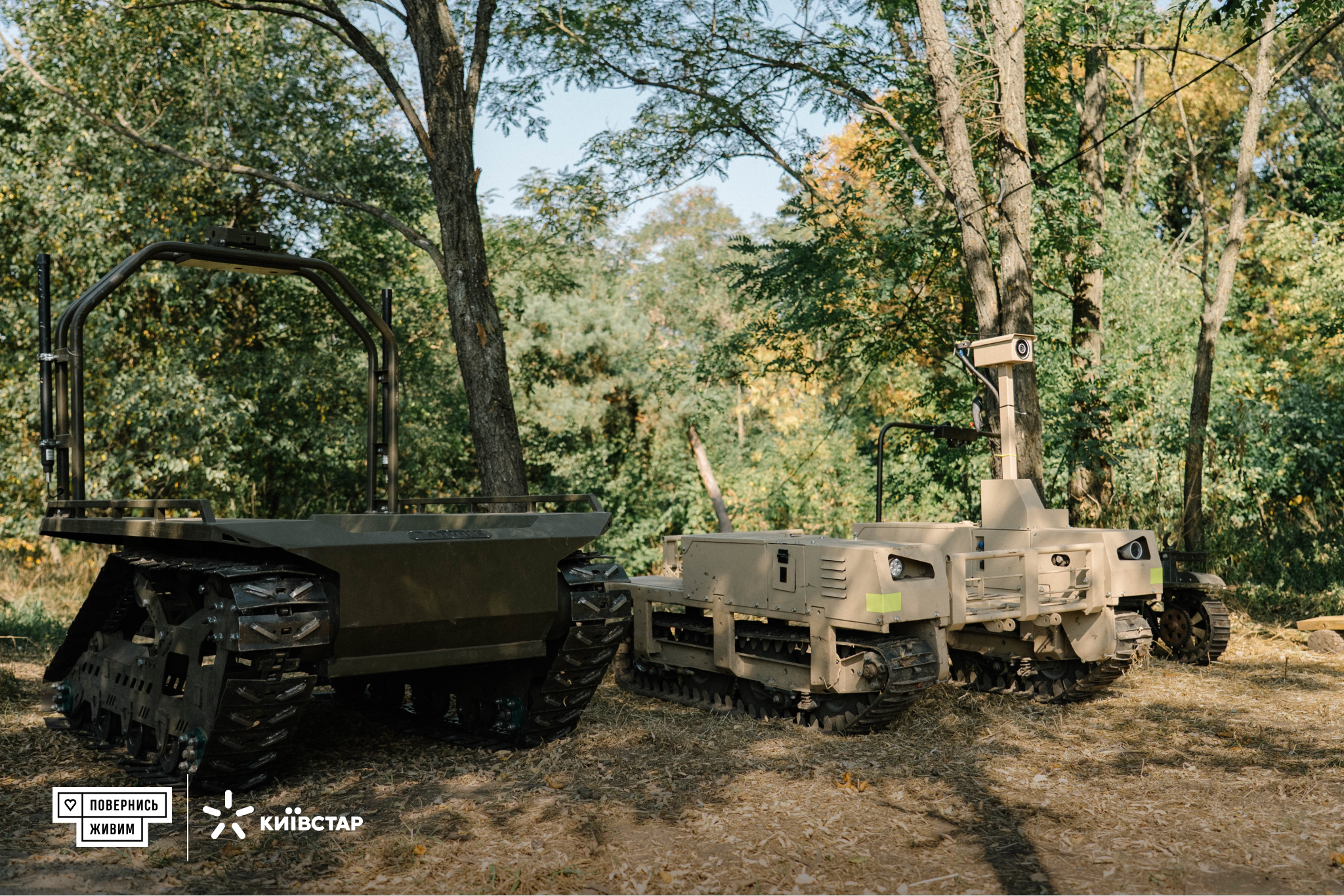
Varan is a school for operators of unmanned ground vehicles (UGV), established at one of the Ukrainian Ground Force’s Training Centers. Here, specialists are trained to operate various types of UGV to carry out logistical, reconnaissance, engineering, and combat missions on the battlefield.
On the front lines, ground-based drones perform a wide range of tasks, including:
- Delivering water, food, and ammunition to positions that are difficult to reach by car or other vehicles.
- Evacuating the wounded from areas under fire.
- Conducting reconnaissance alongside UAVs.
- Clearing mines, laying mines, and setting up engineering barriers.
- Blowing up enemy positions by operating UGVs as “kamikaze”.
- Serving as mobile firing points.
- Participating in assaults.
- Taking prisoners.
Development of UGV in Ukraine
In 2023, several companies developed the first models of robotic systems and handed them over to the military for testing. After that, UGVs were sent on their first missions to evaluate their utility on the front lines.
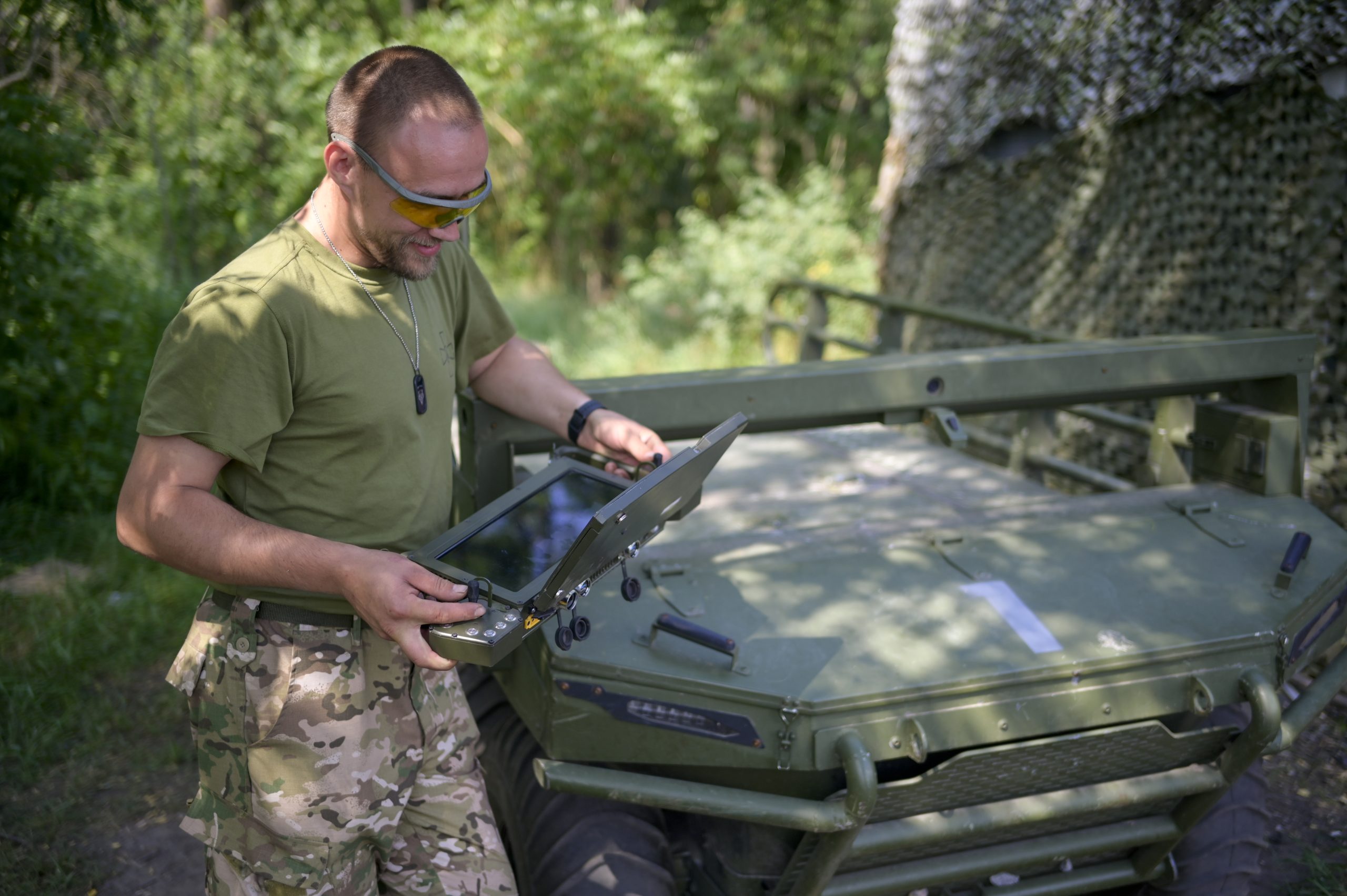
As early as 2024, UGVs began to be deployed to expand operations into the so-called gray zone — areas saturated with FPV drone activity from both sides, where the movement of larger equipment has effectively become highly constrained or practically impossible. Thanks to this solution, logistics and evacuation crews do not have to risk their lives, as they operate UGVs from a safe distance. Additionally, small ground-based drones are more likely to remain undetected and deliver supplies, ammunition, or evacuate the wounded in a timely manner.
Establishing the School
With the active development and use of unmanned ground robotic systems, the need for professional operator training has also emerged. In response, a dedicated UGV school was established at one of the training centers.
At the Varan UGV Operator School, trainees learn:
- Operating robotic systems of various types and purposes.
- Piloting a quadcopter that enables reconnaissance and support of unmanned ground robotic systems.
- Coordinating and managing the simultaneous operation of multiple crews.
- Repairing UGVs.
The school has several dozen UGVs available for cadet training. The instructor staff regularly deploys to the combat zone to update their knowledge to adapt the curriculum to trends on the front lines.
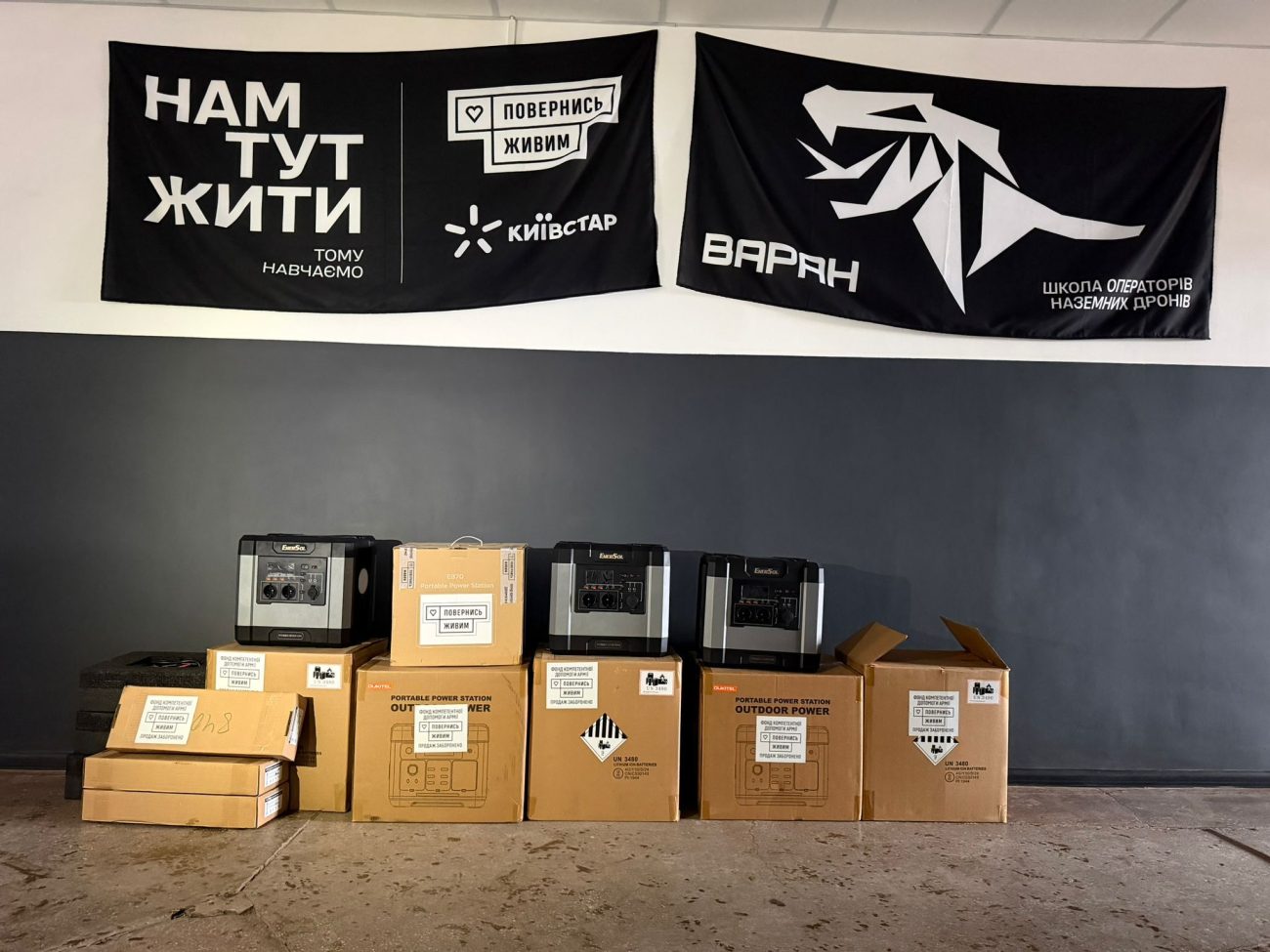
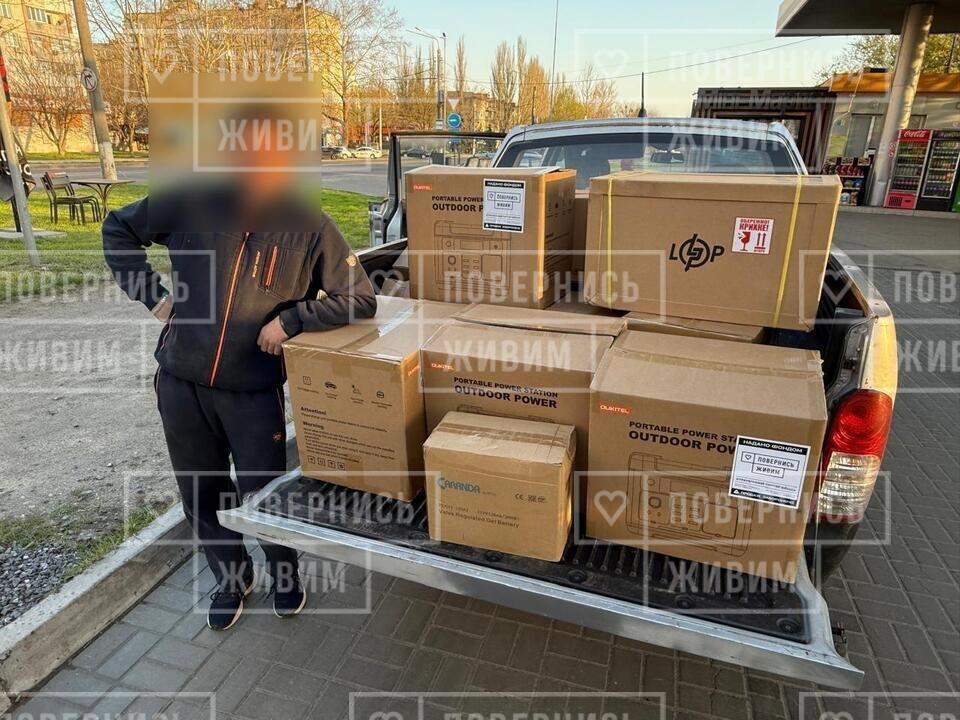
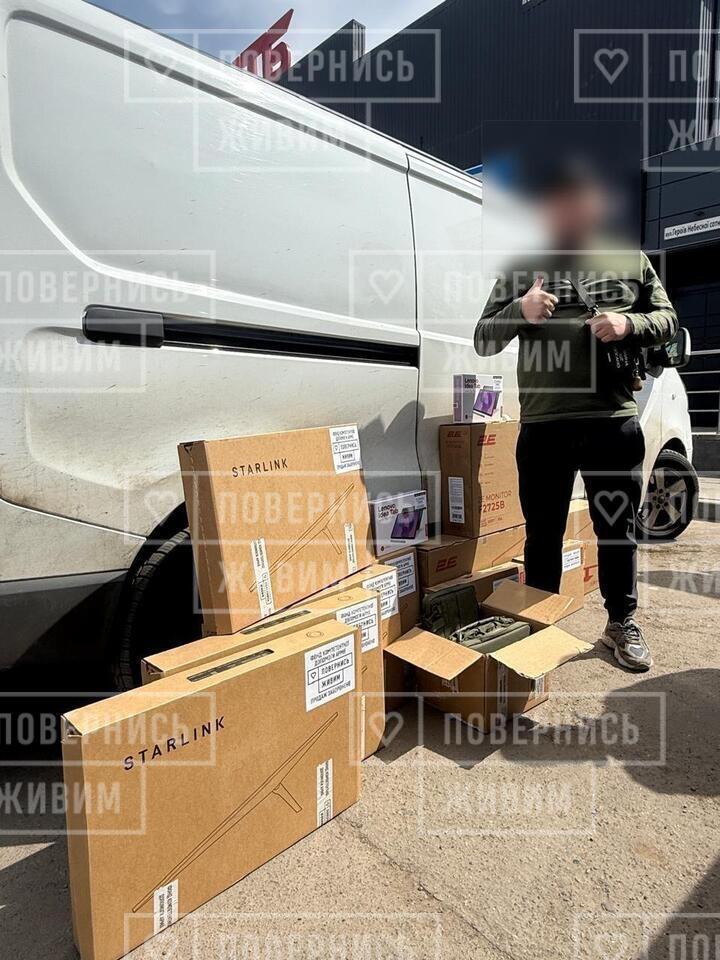
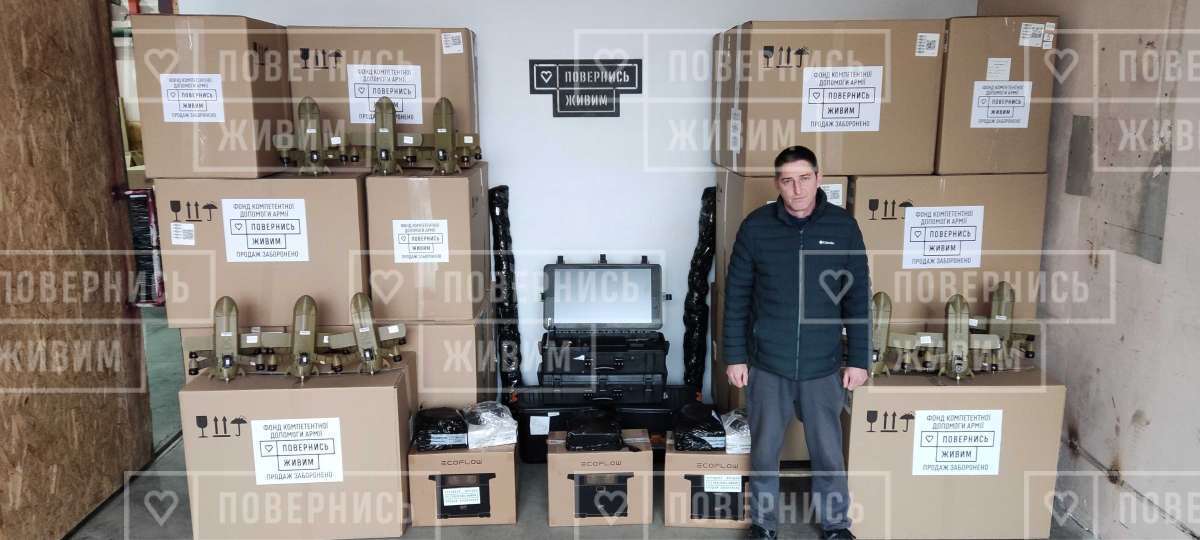
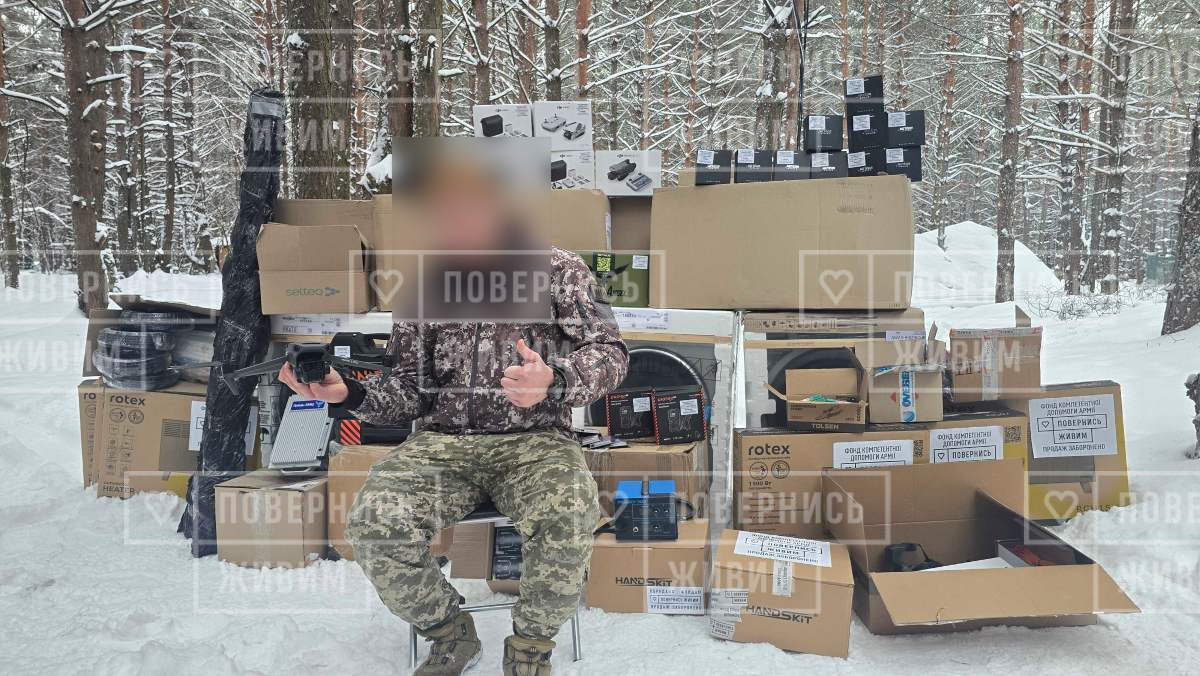
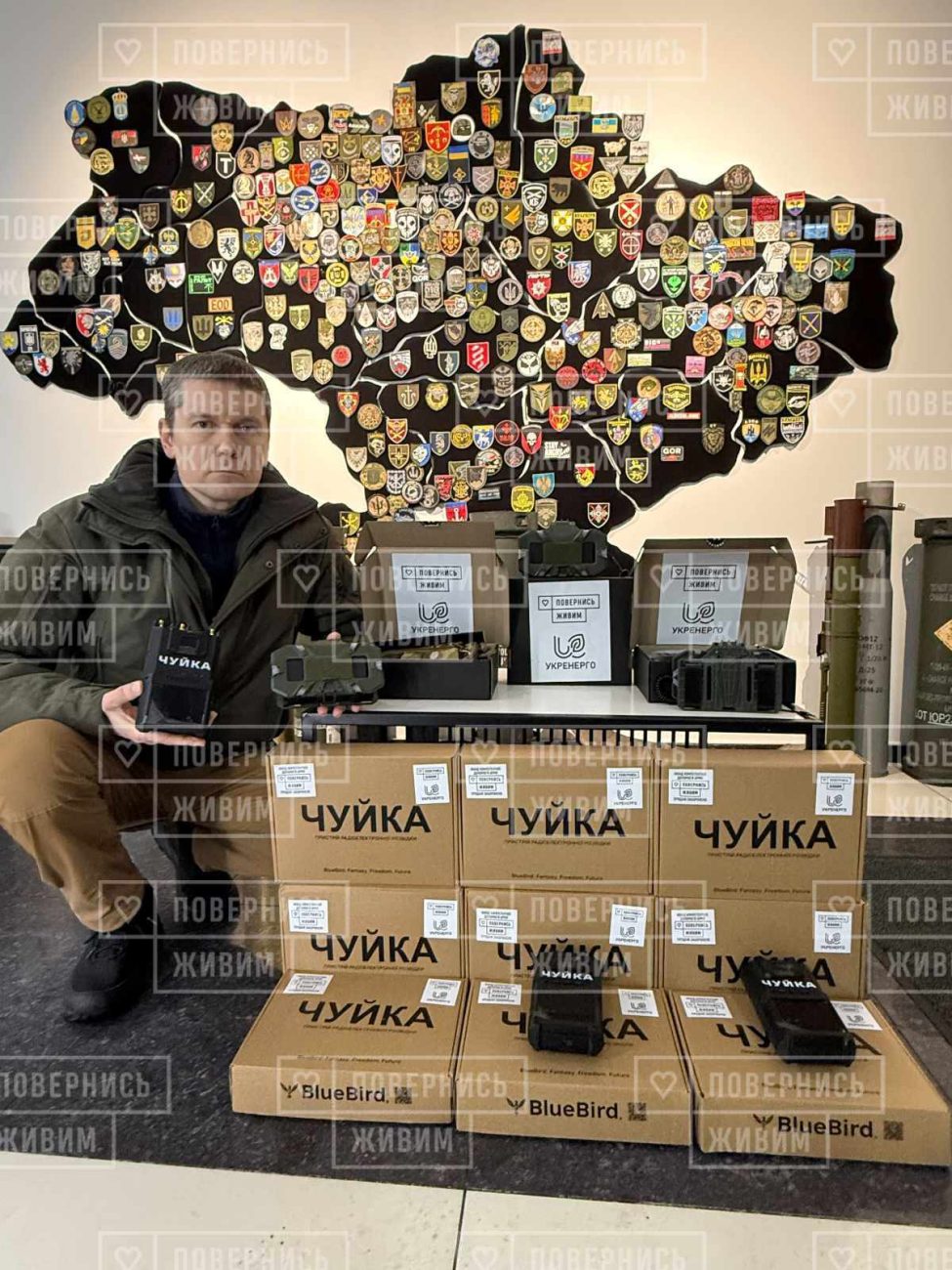
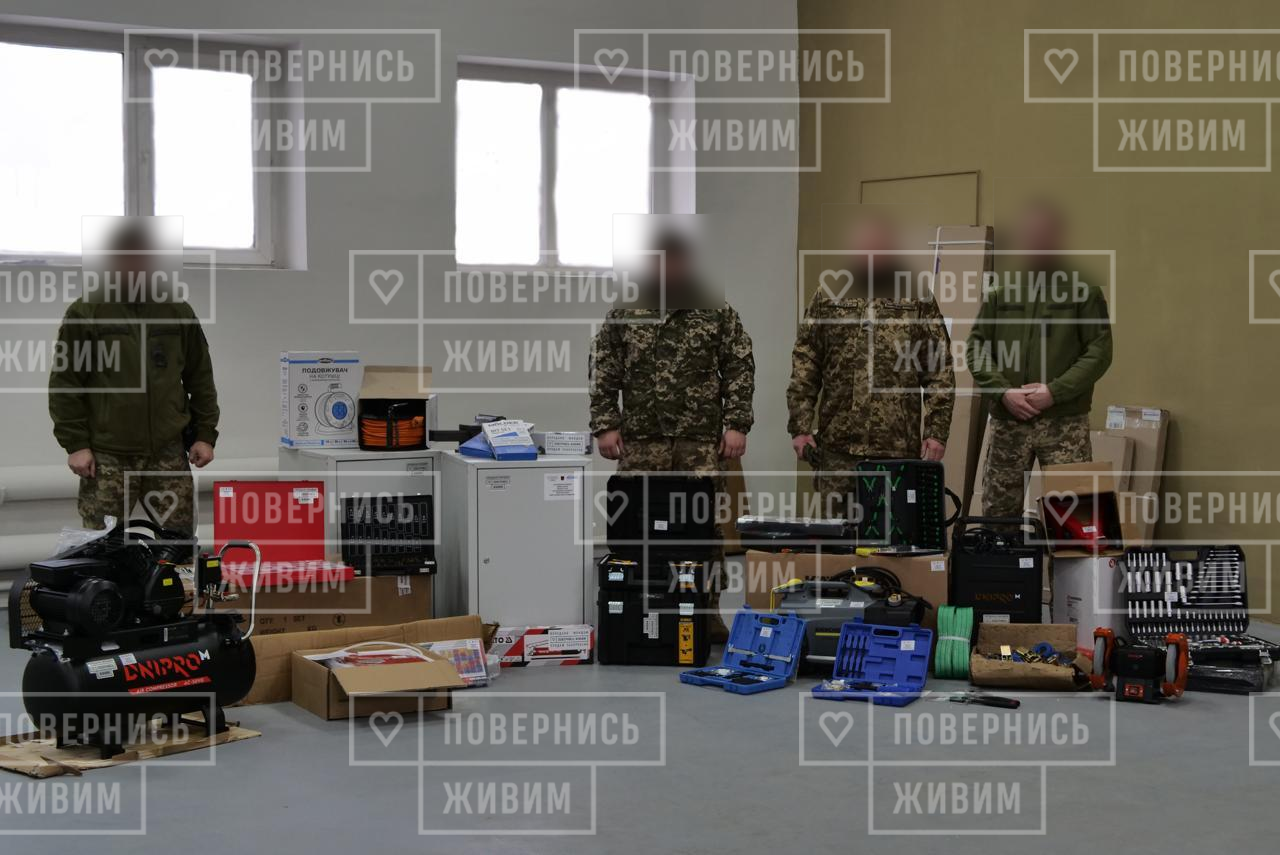
The Come Back Alive Foundation has supported the school since its inception and has invested over UAH 47 million into Varan. The funds were raised as part of the third wave of the Come Back Alive and Kyivstar initiative “We Live Here.” Thanks to the project, the school built a training center, established maintenance and repair stations for UGVs, and provided transportation and necessary equipment.
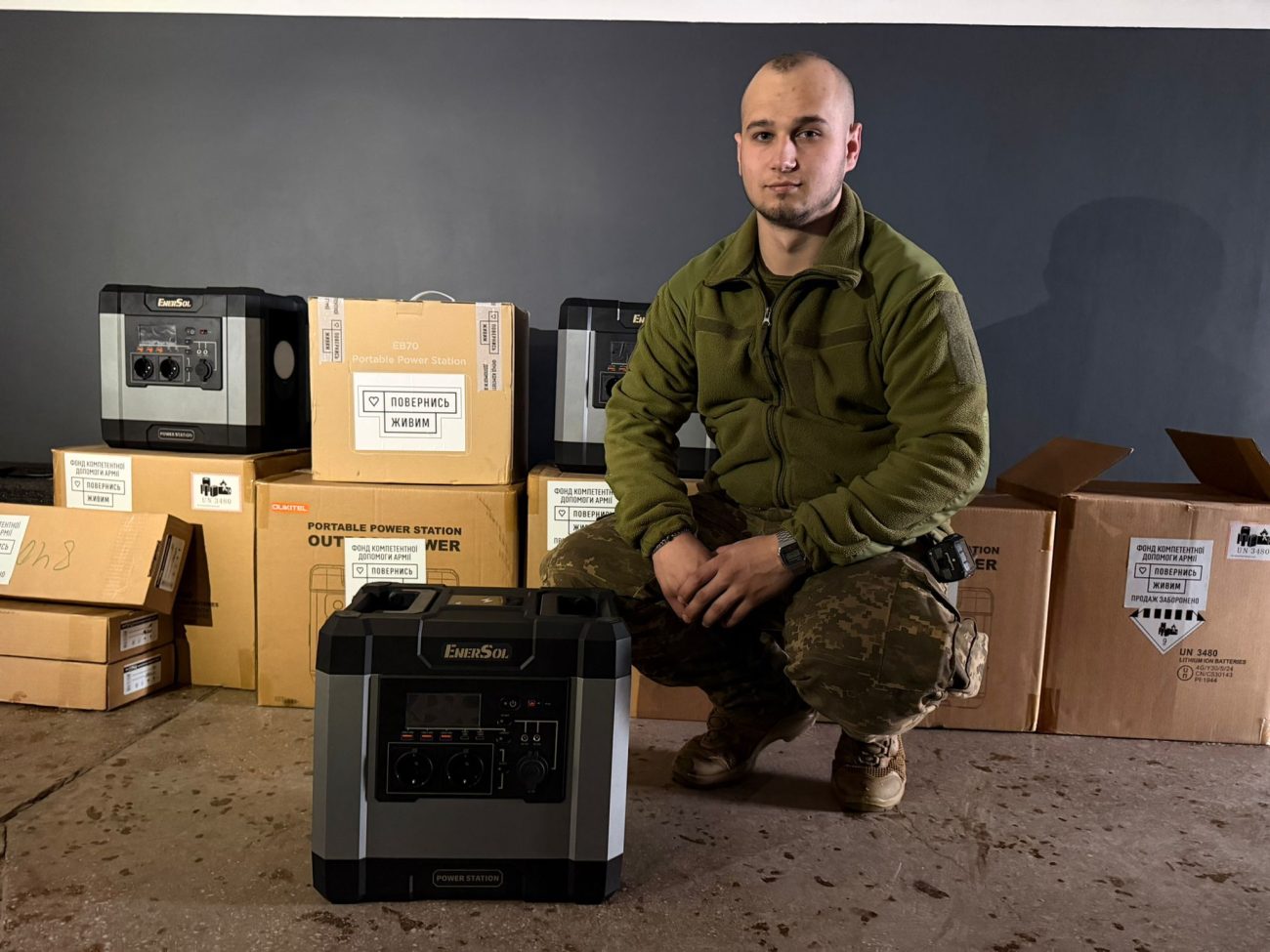
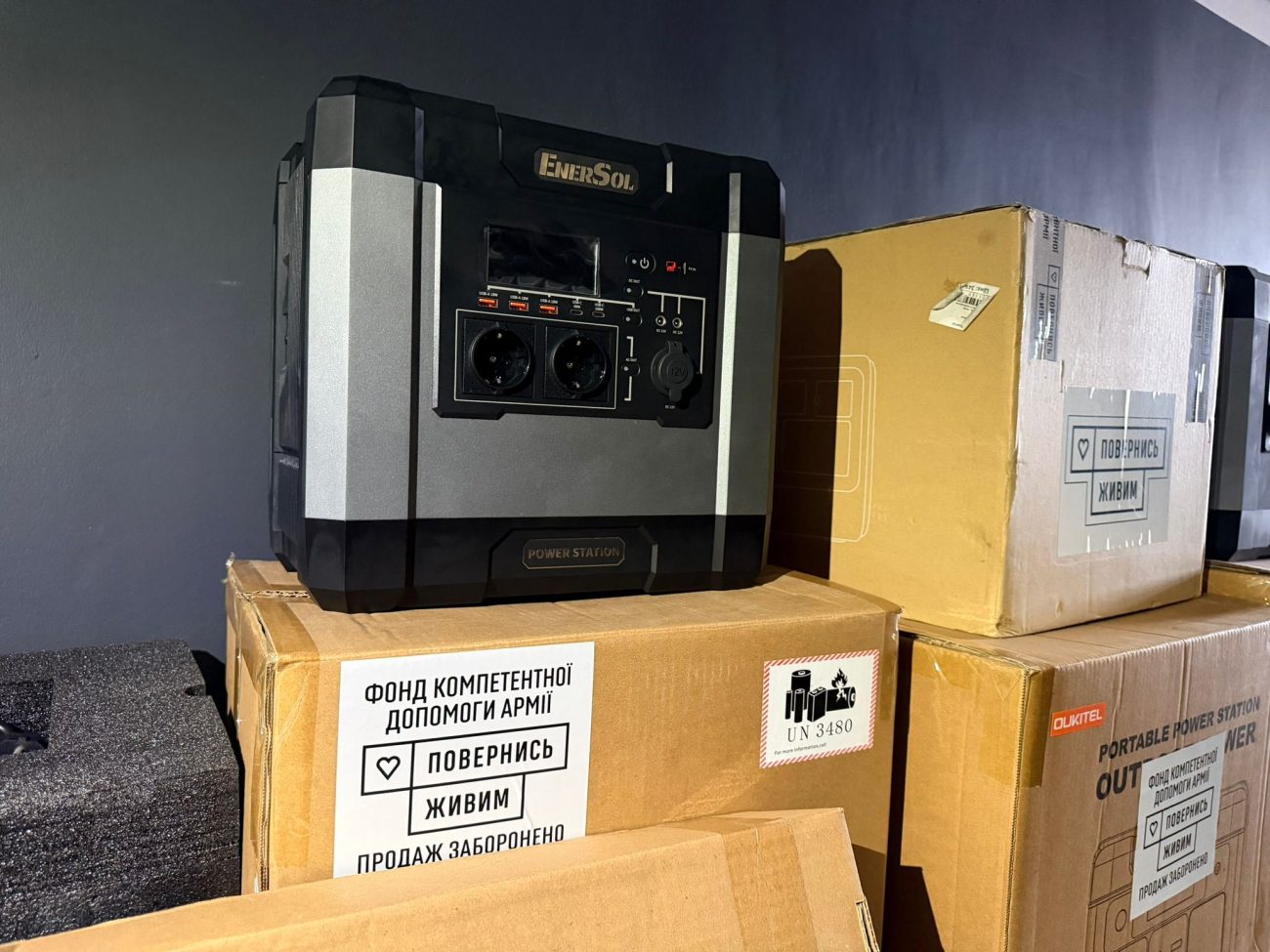
The Come Back Alive Foundation is currently funding the renovation and equipment of facilities for various purposes, developing the school’s infrastructure — from underground classrooms to a maintenance station for unmanned ground robotic systems. We provide backup power supply equipment, communications tools, and transport for both cadets and unmanned ground robotic systems. We are doing everything possible to ensure comfortable living and training conditions.
Graduate Stories
“Shukher” is a graduate of the Varan UGV Operator School. There, the soldier learned to operate robotic systems from scratch and has since completed about 100 missions on the front lines — delivering a total of over 3 tons of various cargo to positions and successfully evacuating 7 wounded soldiers.
“The toughest mission was when a 250-kg UGV overturned on a slope. But the wounded soldier didn’t panic; he limped to the stretcher, righted it, and we moved on. He survived — a true warrior. I’m grateful for my training at Varan and the valuable experience. The training was top-notch, with plenty of practice and an interesting obstacle course,”
– “Shukher” shares.
Another graduate, “Ruf”, now performs logistics and evacuation operations. He notes that training and numerous drills for various crisis situations gave him the confidence to handle threats directly on the battlefield.
“Once, during a return logistics mission, I was alerted that an enemy FPV drone had spotted me. I made a couple of maneuvers and hid in the landing zone. About 20 minutes later, it found me. Seeing it on my own camera as it dove, I moved out of the way, and the enemy drone flew into the landing zone and crashed. After that, I safely reached the unloading point”.
– “Ruf” recounts the story of a successful mission.
Thanks to the skills he’d acquired, another soldier, “Shturman”, also saved his UGV from the destruction:
“Once I flew into enemy positions and saw an enemy drone peeking out of a dugout on my camera. To say that both he and I were in shock is an understatement. By the time he realized what was happening and what was right in front of him, I had already started to flee. He opened fire on me, but thanks to my speed and maneuvering, I managed to escape the heavy fire, thereby avoiding the loss of the drone, which will continue to carry out combat missions.
I would like to thank the instructors at the “Varan” School for their high-quality training for combat missions, as well as for the experience they provided, which continues to be useful to this day. The training is as close as possible to current realities.”
You can apply to study at the “Varan” UGV Operator School via this link.
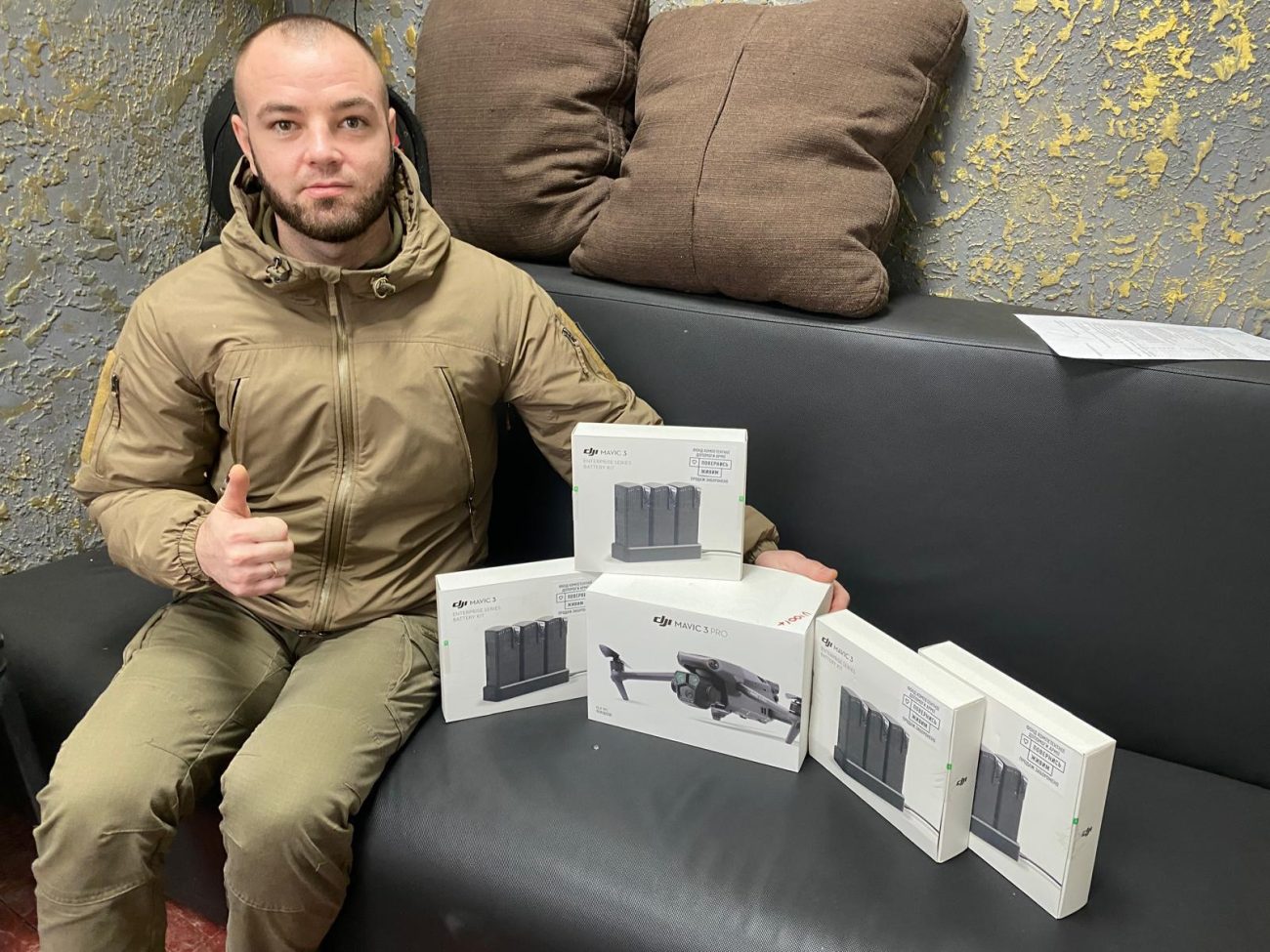
Below are photos from the project handovers: