Donating to “Wings”: How Fundraisers for Ukrainian Aviation Unite People



Ukrainian combat aviation strikes the enemy, inflicting increasingly deeper blows to Russian rear lines. The key to the resilience and effectiveness of our Air Force lies in motivated people—military personnel who have learned to operate aviation equipment to the limit of its capabilities, and civilians who raise funds for equipment needed to extend those limits.
This is a story about a town that provides for one tactical aviation brigade’s primary needs through donations. For security reasons, we will not name the city or provide full names.
Let’s remind that just recently, the “Come Back Alive” Foundation, together with partners, developed and handed over to the Air Force mobile complexes hubs for F-16s. Here we will tell how, thanks to those who donate, support for army aviation becomes structured and comprehensive.
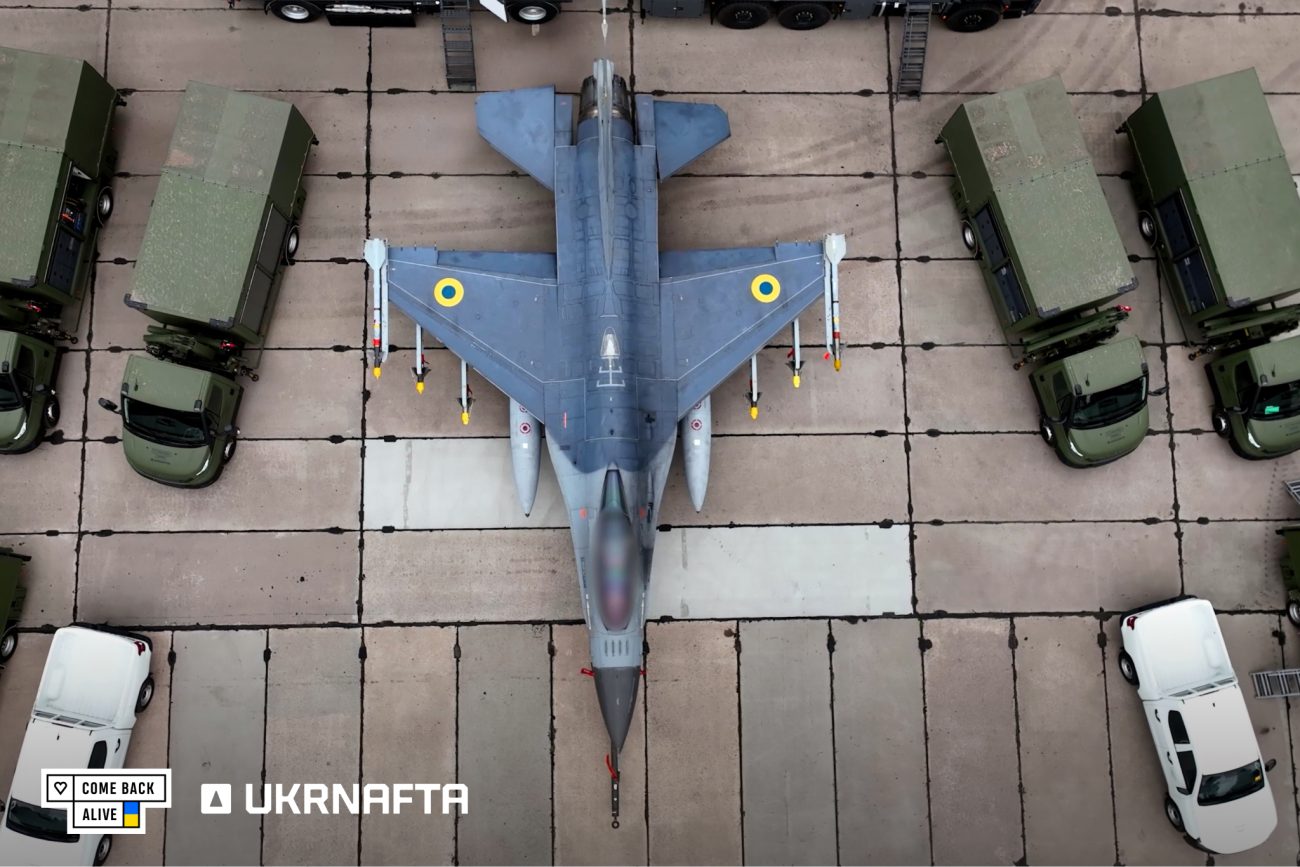
Fundraising for “What Must Not Be Named”
It all began with conversations between brigade command and local volunteers, including Tymur and Bohdan. Since 2022, Tymur has been raising funds to help the military and regularly delivers aid to the front. Bohdan is a blogger and the administrator of a local Telegram channel. The brigade commander explained to them that for aircraft to operate at peak efficiency, specific equipment and maintenance parts are needed.
“Almost every family here is connected to aviation—someone is serving, working, or simply understands that without Ukrainian planes in the sky, we can’t defeat the enemy,” — explains Tymur, who took on the coordination of equipment procurement and fundraising.
The brigade’s command and volunteers began searching for contractors and service providers for the necessary equipment. They realized that the specific equipment (some of which is military-grade) should be purchased and transferred to the brigade’s balance sheet by a specialized organization. That’s how they joined forces with the “Come Back Alive” Foundation, known for its competent aid to the military. They decided to raise the necessary funds as a community.
However, the fundraiser was complicated by the fact that publicly listing all the equipment needs was not allowed.
“We run fundraising campaigns regularly, — says Bohdan. — We’ve raised money for communications, transport, and even air defence system components. So we decided to announce a new fundraiser with a video appeal from the brigade commander — a combat officer respected and well-known in the city.”
Bohdan’s Telegram news channel has thousands of followers, so the video gained wide reach. People understood that it was about critically important equipment for the defenders of Ukrainian skies. The first donation campaign began filling up quickly.
The volunteers say the fundraiser is also a way to unite local residents around supporting the army. Bohdan and Tymur involved not just the Telegram channel team but also their acquaintances and the city’s most active residents.
“Schoolchildren, students, farmers — everyone participates. Farmers help the most, often quietly, without seeking attention. The main thing is that together, we can close big fundraisings — from vehicles to specialized equipment,” — Tymur adds.
Project For 86 Thousand Euros
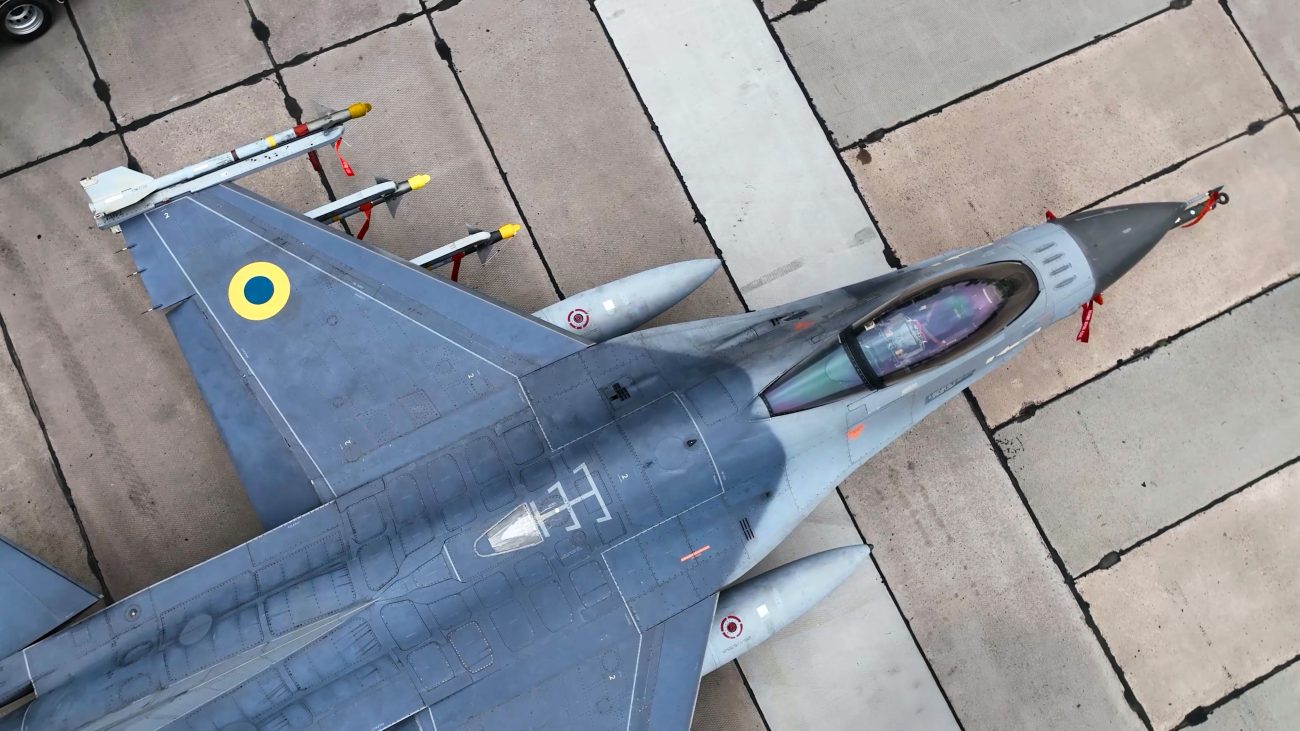
To meet the needs of the tactical aviation brigade for networking, repair, and other equipment, they needed 86 222 EUR.
Some people donated online, while others met with activists to make their contributions in person.
Tymur also took on outreach to local businesses—speaking with about two dozen farming enterprises and agricultural companies. He explained how this project would directly affect aviation combat readiness. More than half of these farmers have relatives or friends serving in the Armed Forces, and nearly all of them have been supporting the military for the past three years.
“The farmers probably made the biggest contributions—without publicizing it,” — Tymur recalls.
With the full-scale Russian-Ukrainian war now over three years long, people are becoming less eager to donate, admits Nazar, a co-organizer. That’s why he looks for unique giveaways to motivate donors:
“We come up with different ways to keep people involved. We message blog and channel owners, both acquaintances and strangers.”
Among those who donate, the volunteers raffle off various prizes: merchandise, patches, posters signed by the brigade commander, keychains, and other aviation-related souvenirs. These aren’t expensive items, but they bring joy to the winners and foster a sense of involvement, says Nazar.
Sometimes, though, there are truly unique finds. Nazar recalls:
“One man messaged me and said he had an old aircraft clock from a Su-24M combat plane! He offered it for the raffle. It was a true historical artifact that really boosted participation.”
Nazar notes that the raffle winners often continue to donate: “They say, ‘It’s the least we can do for our soldiers.’ And that motivates us to keep going!”
The campaign’s reach also expanded beyond the city — people from other regions began to join the fundraiser.
At one point, well-known Ukrainian fighter pilots picked up on the project and started promoting it on their social media.
“Trust Beats Fatigue and Doubt”
Bohdan explains that the secret to their success is the public’s trust in the brigade commander, the volunteers, and his channel:
“People know: if we say something, it matters. If our channel reports a threat from drones or missiles, people take cover. If we launch a fundraiser, people support it. Trust beats fatigue and skepticism.”
The “Come Back Alive” Foundation has already purchased the necessary aircraft, communications, and command post equipment. It is now on its way from suppliers to the military unit.
“We continue to support our aviation and our city. As the saying goes: my city is my fortress! So we’ll keep investing in communications and strengthening air defense for the city and the airfield,” — Tymur adds.
Often, technical information about the aviation sector remains classified. But the people of this city keep donating to Ukraine’s “wings” — even without knowing all the details.
“When we see and hear our jets flying overhead on combat missions, we know that the repairs, communications, and everything else we funded are making a difference,” — Nazar says.
The brigade mentioned in this article receives ongoing support from the “Come Back Alive” Foundation. Full details are available in the Foundation’s public reports.
