Do I really have a choice? Speech by a Come Back Alive Foundation reporter in Berlin


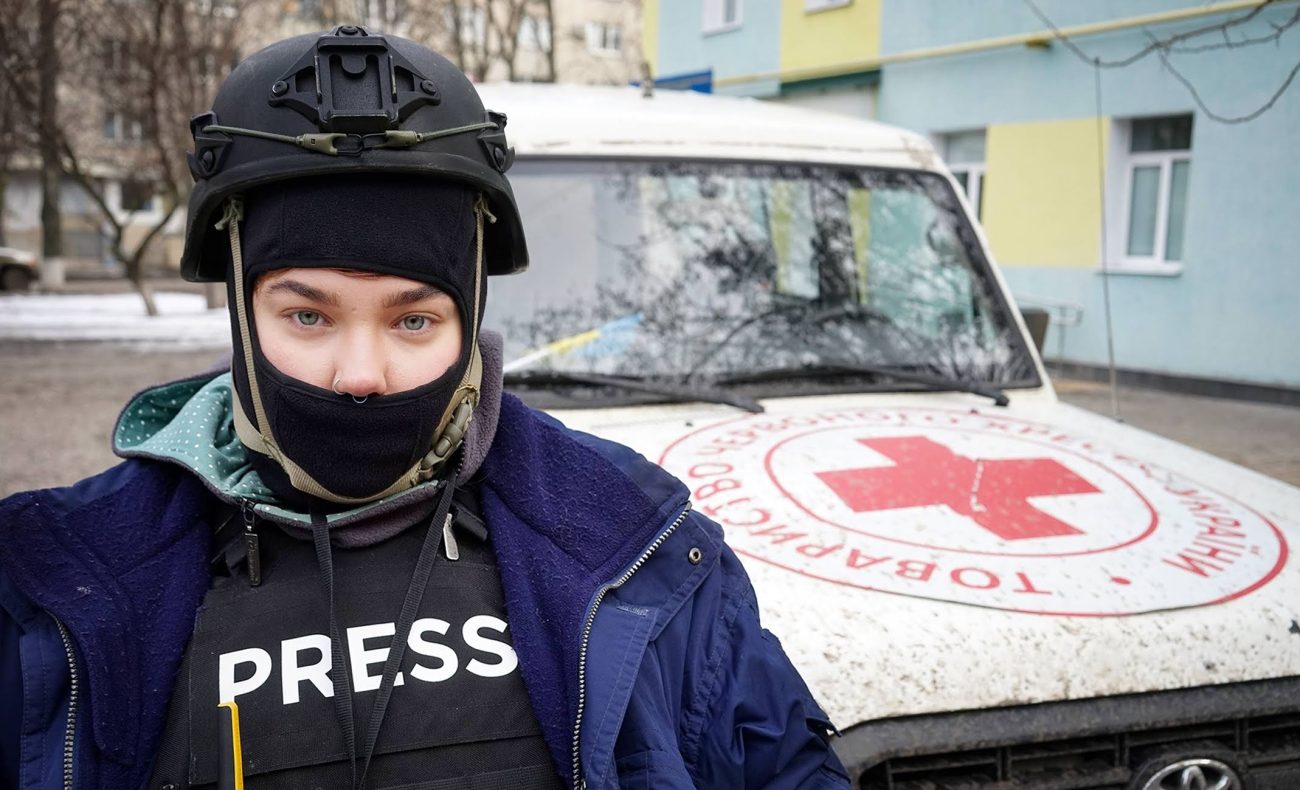
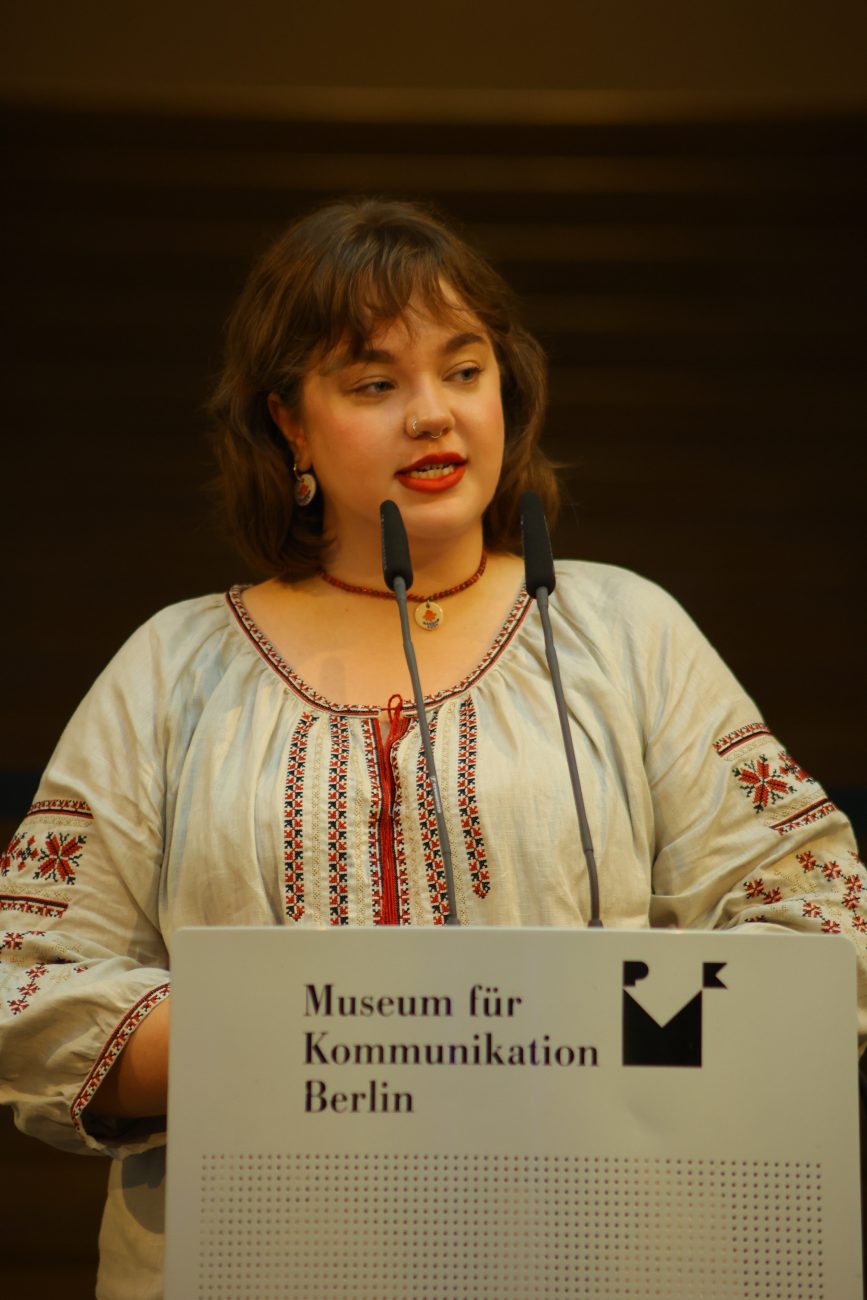
On June 26, the opening of the exhibition The Only Material, organized by the European Centre for Press and Media Freedom, took place in Berlin. The exhibition features photographs and stories of Ukrainian journalists — including that of Polina Vernyhor, a reporter with the Come Back Alive Foundation. Polina had the opportunity to address the visitors of the exhibition. We are publishing her powerful and moving speech.
Ever since I was a little girl, I wanted to become a journalist. I used to watch the news with my grandmother all the time. One night, there was a report about Heorhiy Gongadze — a Ukrainian journalist who was killed for telling the truth. He wrote about high‑level government corruption and was silenced only after being kidnapped, taken into the forest, murdered, and dismembered. I was shocked that people could be killed for exposing the truth. I thought: if all journalists speak the truth, they simply cannot kill all of us. But after 2022, I realized — actually they can.
Like Gongadze, I dreamed of investigating corruption and writing about social issues. My path in media began in university, back in 2016. We had a course called “war journalism,” and at the time I honestly didn’t see why I needed it — after all, I wasn’t planning to become a war correspondent. At work, I wrote about politics, LGBT and women’s rights, police brutality, and far‑right violence. It was interesting work. I grew professionally, built a career across different media outlets, and dreamed of one day doing a journalistic investigation that could influence society. But everything changed in February 2022.
Russia’s war in Ukraine actually began in 2014. I cared about it as a Ukrainian, but still lived a normal life — like you do now. When the war came literally to my home, I felt I could no longer pretend some other topic could be more important. I began recording the stories of people who had experienced the worst: murder of relatives, loss of homes, torture, rape. My work became a stream of horror, pain, and suffering that I could not shut out. Then I started traveling to de‑occupied territories, and later to the frontline. I recorded testimonies of victims of Russian war crimes, saw torture chambers with my own eyes in de‑occupied areas, and breathed the stench of death at the exhumations of mass graves. I wrote several hundred stories — horrible, frightening, deeply sad — and I still remember every one of them in detail. Honestly, I wish I could forget them.
After every assignment, I returned home exhausted and drained. At my age, people build families, buy cars, pursue childhood dreams — I have none of that. I don’t want to see this, feel this, talk about this with people. But I must, because I chose this path for myself. And yet I ask: do I really have a choice?
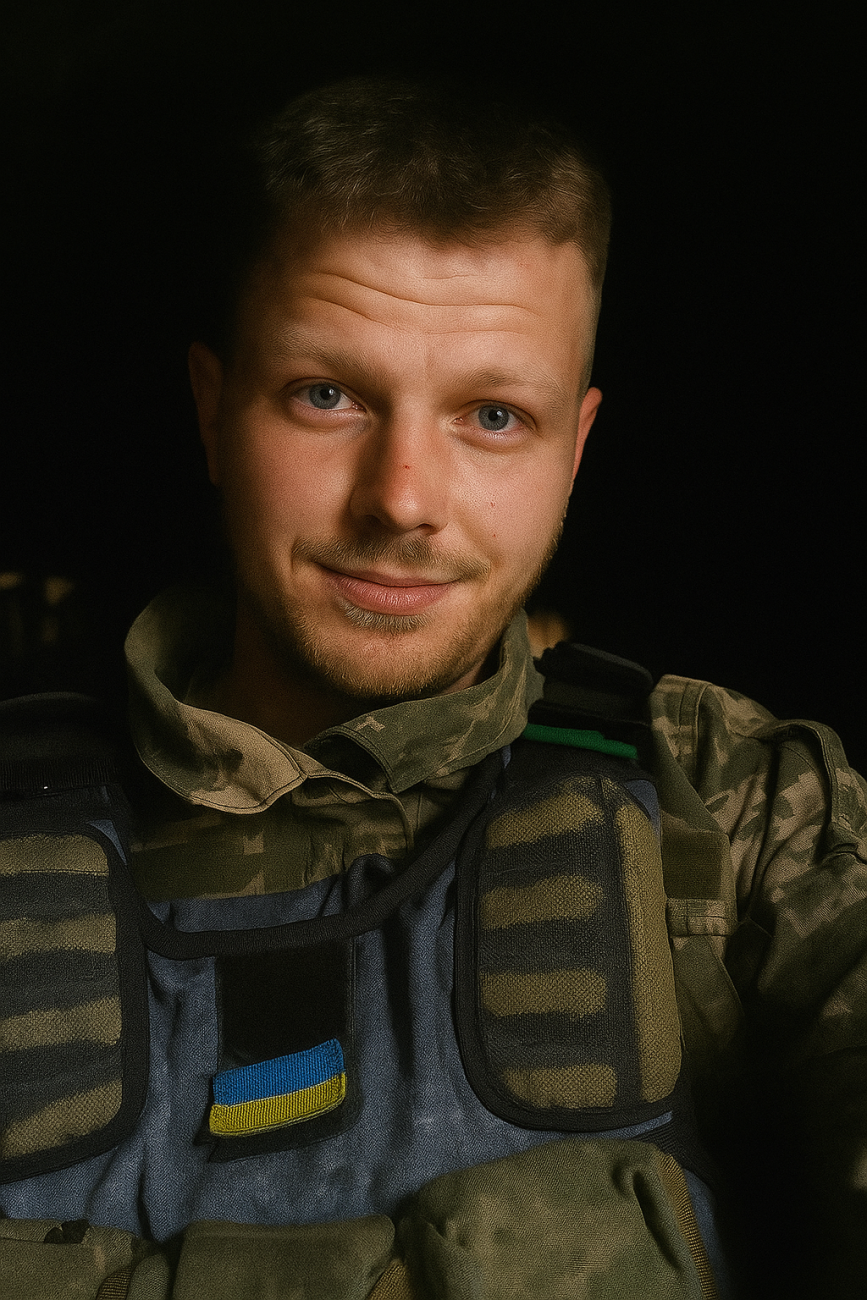
At 14th of May someone very close to me died in the war. His name was Yakiv Selyaninov. He would have turned 28 this July. He volunteered since February 2022, and in 2024 he joined the Ukrainian army. He believed he could do no other — it was too much, the war too close. He desperately wanted to defend his home and the family he deeply loved.
He was an ordinary soldier. An extraordinary person. Yakiv was an active citizen, a member of his city’s youth council, and he wanted to help solve his community’s problems. He also wrote two fiction books that he never got a chance to publish.
I loved him for his deep empathy, intelligence, tenderness, sensitivity, and bravery. We dreamed that after the war we would start a family. He would take me hiking in the mountains. I would show him Berdyansk — the seaside town where I spent every summer as a child — which is now occupied by Russia.
Everything ended with one message: “Yakiv has died. A direct hit by an aerial bomb. His body is being taken to the morgue.” He used to write me the most beautiful love letters. Now I write him lengthy messages he will never read. Yakiv used to send me flowers. Now I lay flowers at his portrait on Maidan in Kyiv.
This is not my first loss in this war — but it is perhaps the most painful.
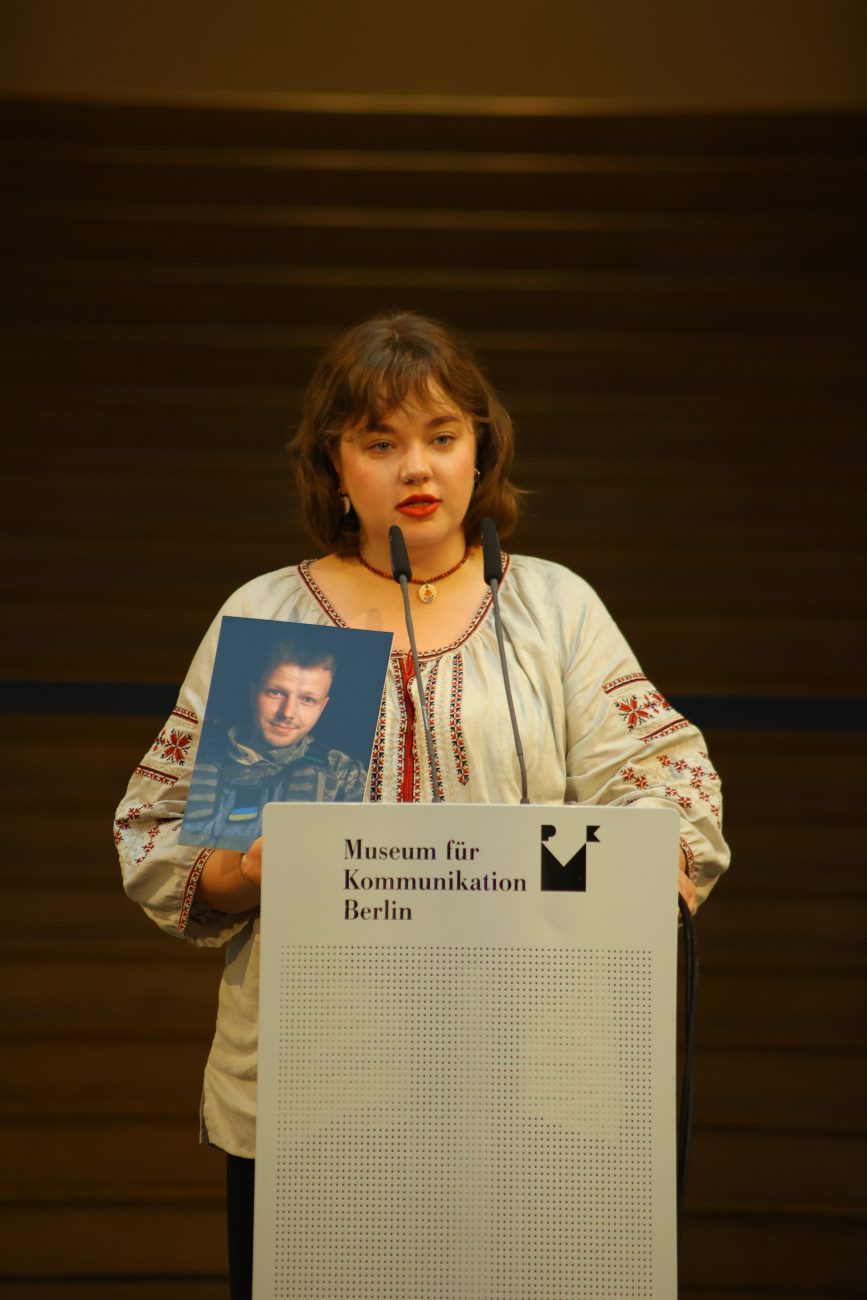
I am so tired of writing about the war. I often feel that one more drop of grief will break me — I may not be strong enough. But after each loss I ask myself: do I really have a choice? Russia killed my partner. My friends are dying in an unjust war that Russia brought to our land. As a journalist, as a human being, how can I close my eyes and pretend this isn’t real? How can I go on writing about anything else when I carry so much grief — both mine and others’?
I know you are tired of hearing threats that Russians will come to your home if Ukraine loses the war. I, too, did not believe the war would ever touch me personally — even when it was already raging in my country. Now, twice a week, I write my articles to the sound of explosions in Kyiv, and each morning I check if my mother, living in Zaporizhzhia just 25 kilometers from the front line, is still alive.
In early 2024, I began working with the Come Back Alive Foundation. My work now focuses on the stories of soldiers. I want as many people as possible to know about these brave and strong people. Life threw them into this war — just as I became a war reporter. They had good lives, jobs, and like me, never wanted to be in the war. In interviews, I always ask: what do you dream about? Believe me: all their dreams revolve around travel, family, their own business, and a home in a beautiful place. None dream of fighting forever — all of them dream of peace.
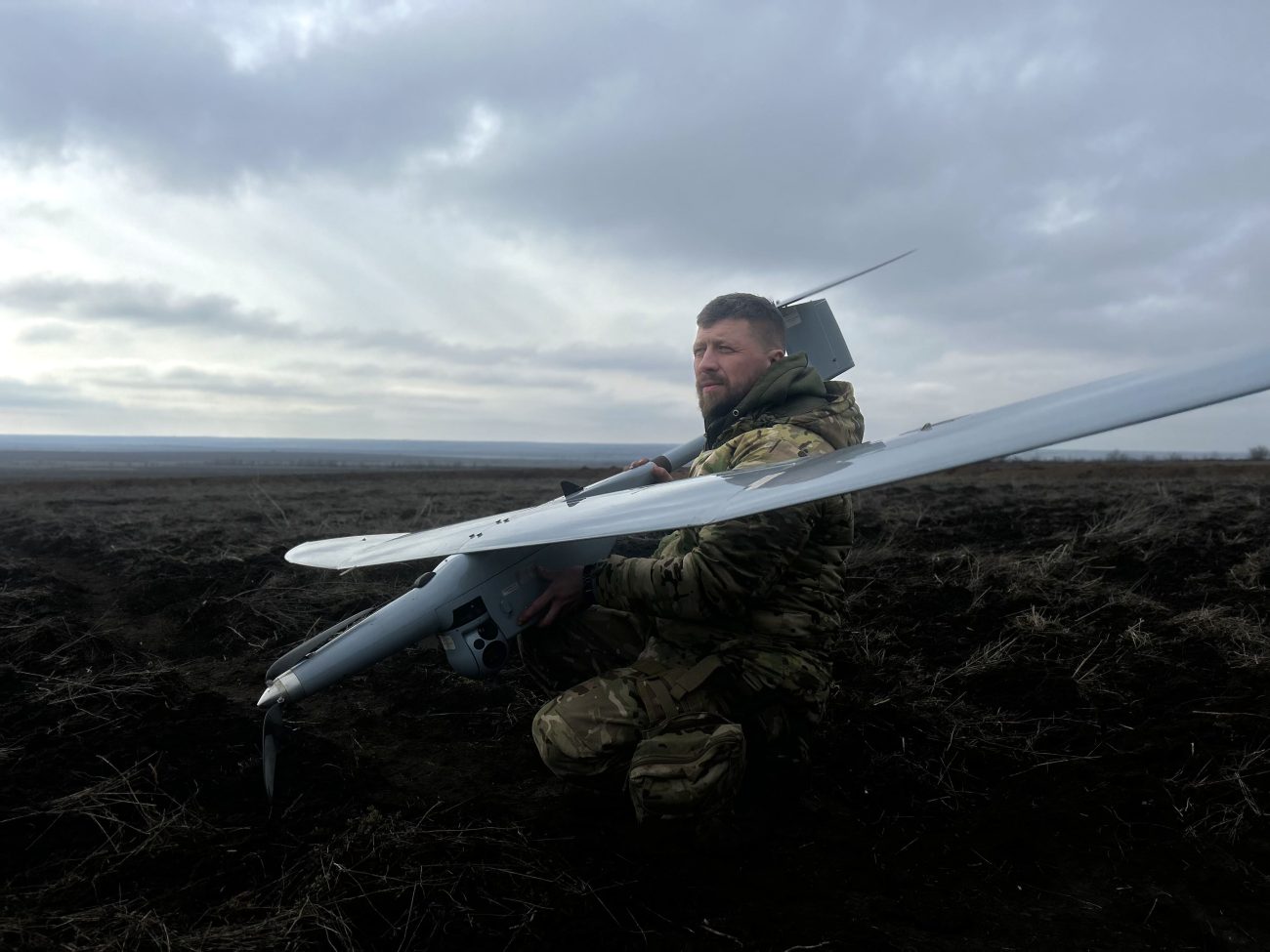
But the war’s end is far away, and we don’t know whether we will live to see it. Today, almost 19% of my country is occupied by Russia. The frontline extends more than 3,000 kilometers — almost twice the distance from Berlin to Kyiv. We want to hope for peace talks. But we must defend ourselves today — and at the same time, do our best to survive.
According to the United Nations, about 13,000 Ukrainian civilians have died due to Russian aggression. It does not include victims in occupied regions, including Mariupol, because Russia does not allow crimes there to be documented. Thirteen thousand people — that is nearly five times more than during the world’s deadliest terrorist attack, which happened in New York on September 11, 2001. Russian rockets and drones strike peaceful cities — not military targets — but residential buildings, shopping centers, power stations, schools. I have worked at the sites of these attacks many times, and I have seen the victims — ordinary people sleeping in their homes, shopping in stores, or walking down the street. I have always believed in journalism’s “golden standards” and have tried to uphold them. One rule is not to give terrorists a voice. So why does the world still care more about what Russians think about their war?
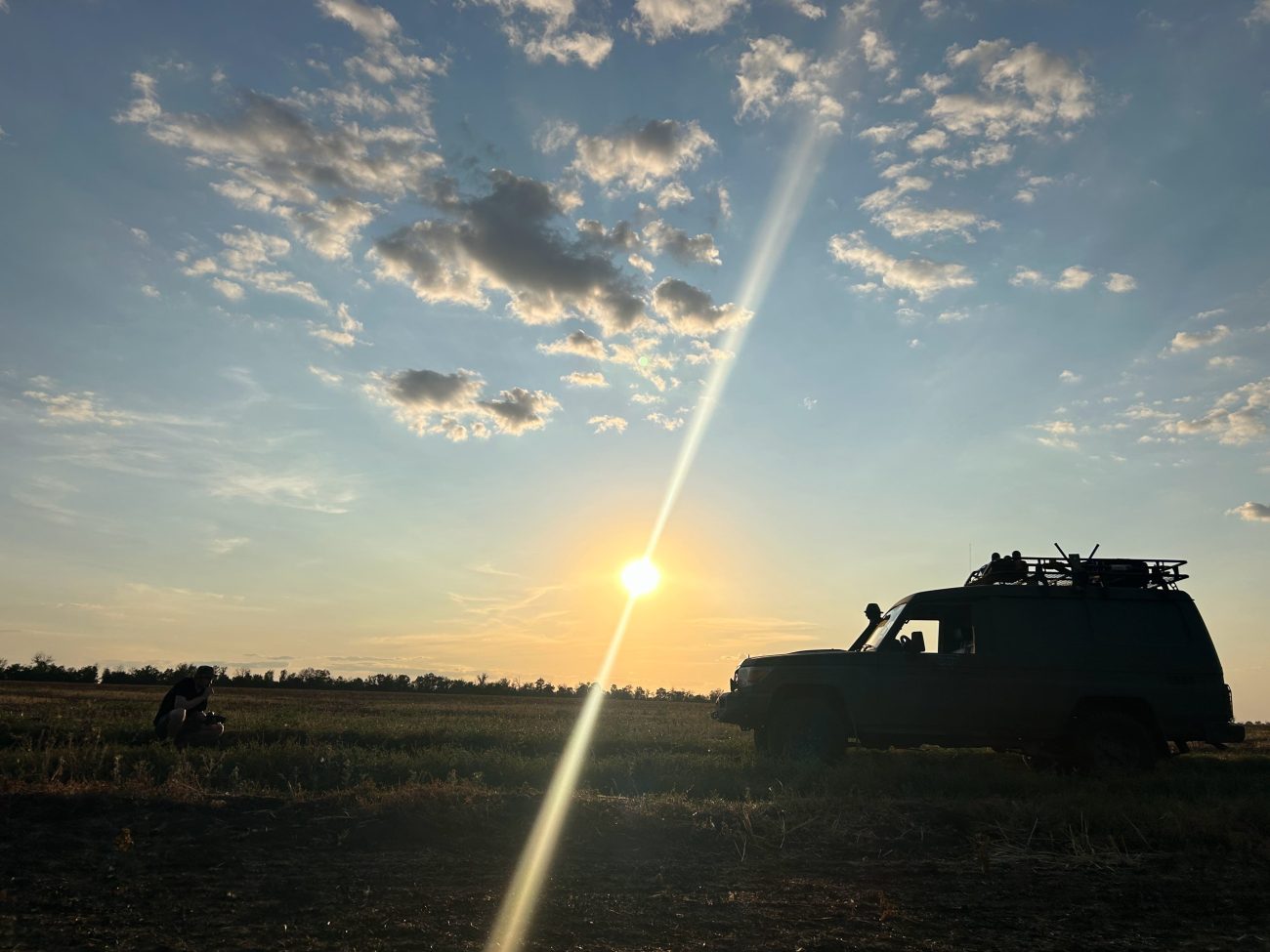
I appeal to each one of you: keep speaking about Ukraine. Lives in my country depend on it. My life depends on it. Whether Yakiv Selianinov died in vain depends on it. We cannot afford to lose Ukraine. The world must not lose Ukraine.
The Come Back Alive Foundation, where I work, is ready to provide any information we have about the war. We have experts who can comment on current events, and we help journalists connect with military sources. I invite you to collaborate. But please — don’t stay silent.
I want to scream to the whole world about Yakiv. I want to scream to the whole world about Ukraine. But will the world hear me?
