«It rained for six days in a row, and there was nowhere to dry clothes — and there was nothing to dry, everything burned down»: memories of the defender of the Luhansk airport Andriy Moruga


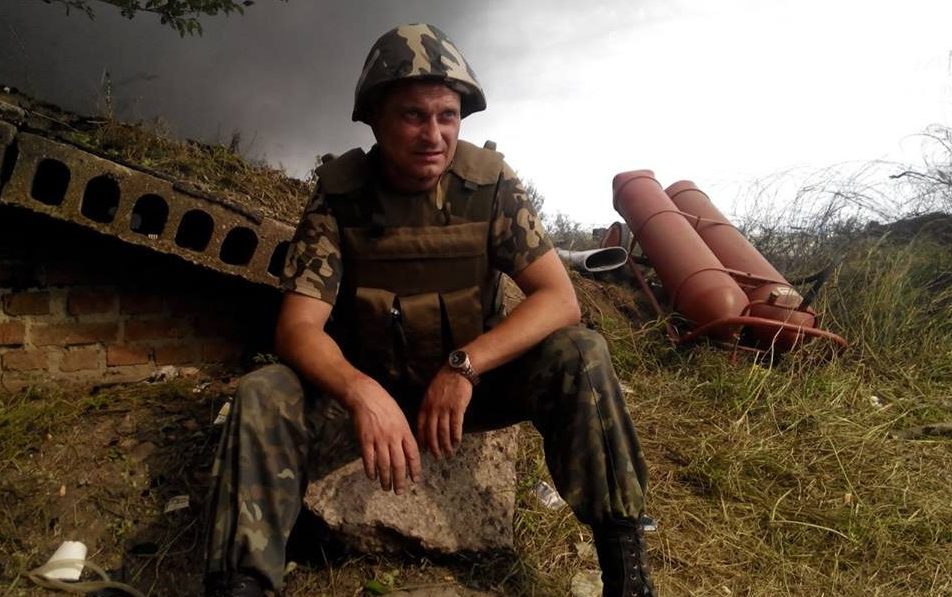
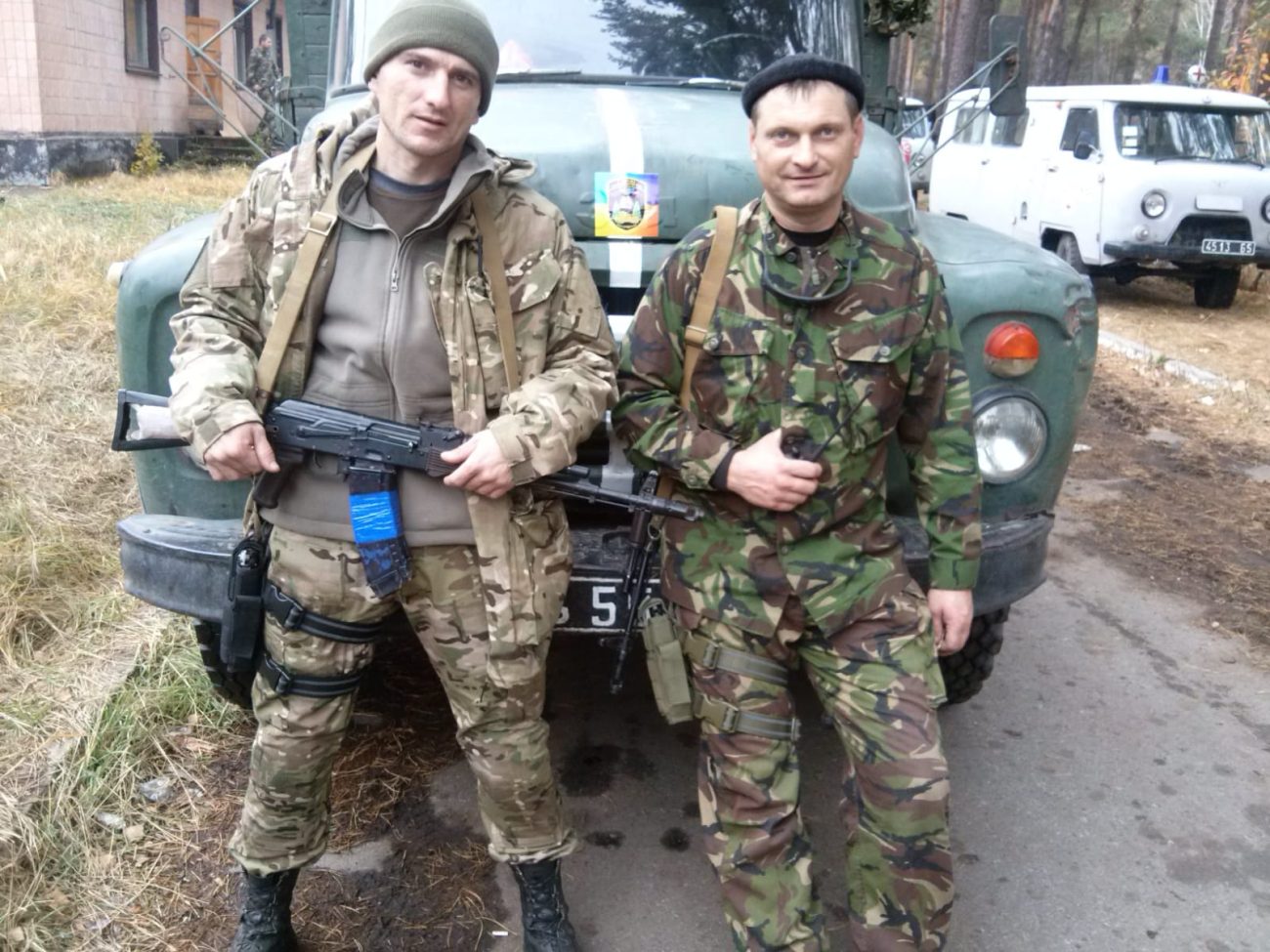
April 8, 2014 is the official beginning of the defence of the Luhansk airport. Eleven years ago, the Ukrainian military received an order to guard the airport. The battles for the airport lasted 146 days — almost five months, the last of which was spent in complete surround. Most of the defenders of the airfield — volunteers, regular military and mobilized — saw real war for the first time. One of them is Andriy Moruga, a senior instructor of the Come Back Alive Foundation. These are his memories:
Don’t miss the most interesting
In the spring of 2014, I received a combat summons. This was expected, because the war had begun in Ukraine, and I had experience serving as a border guard. I didn’t want to miss the most interesting part, so I went to the military enlistment office. At that time, the Russians had just seized Crimea, the Ukrainian army was not ready to resist, so there was no clear understanding of how to act.
In early April, we received an order to go to Nizhyn: it was clear that the next stop would be somewhere on the front. There we boarded the plane — only in the sky we found out where we were flying. I was assigned to command the mortar crew of the 1st Tank Brigade.
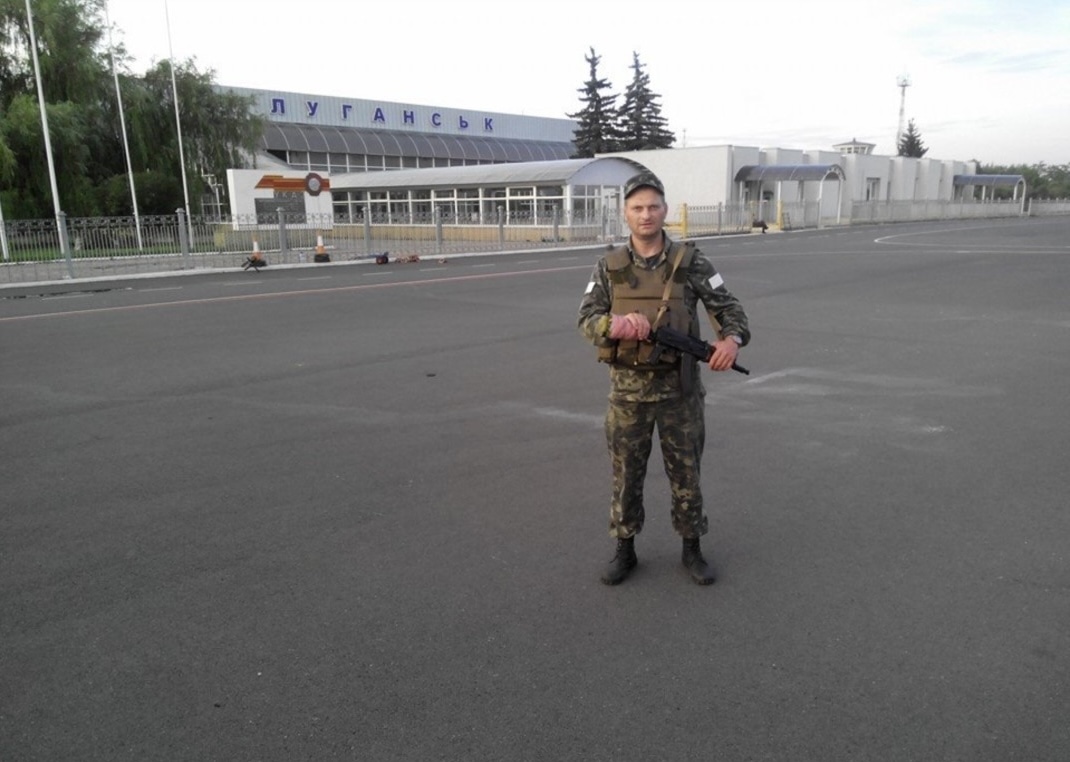
The Luhansk airport and the duty-free zone were still working at that time — even civilian flights were being operated. We were accommodated in one of the terminal rooms. The first four days were calm, then the shelling began, the airport was closed, and all the workers were evacuated.
At first, the negotiators (representatives of the enemy side, who were authorized to negotiate, — ed.) came to us, insisting that we have to leave the airport. We refused.
Everything is getting worse
When the militants realized that we were not going to communicate with them, the situation began to get worse — the enemy was firing ATGMs (anti-tank missile, — ed.) and something else. We continued to accumulate groups at the airport — planes with new people, food, and ammunition arrived every day. Our guys even went to Luhansk to buy groceries at the local supermarket.
Since June, no one has been going anywhere, the perimeter has been mined. The enemy tried for a long time to turn off our electricity and water, but they were unsuccessful for a long time. Within a month, they blew up the water supply, and electricity with it.
We learned to power the runway using generators, because planes only arrived at night. This continued until June 13, when the militants shot down the first plane, an IL-76 transport plane. It was the last flight to Luhansk airport. 49 people died, and communication with the airport was cut off. A complete blockade began, and there was no one within a 30-kilometer radius.
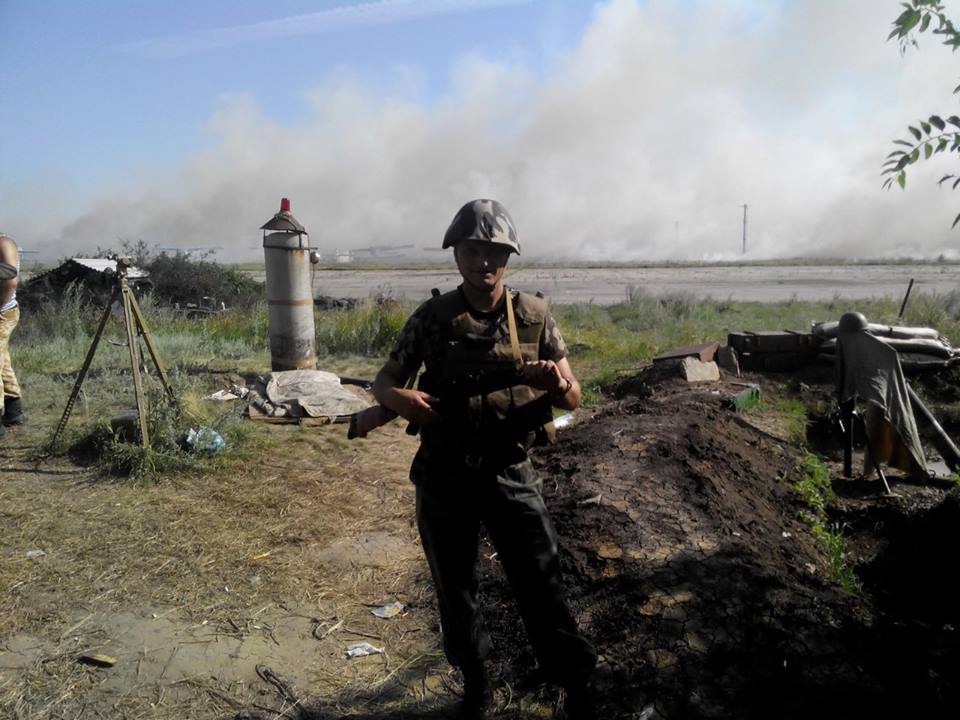
Regular shelling began. An airstrip of 200 by 100 meters was covered with hail and mortars. At first, the enemy did not know that we had 120-millimeter mortars, but during a major assault we were spotted, but we destroyed their column. After that, they did not come closer than 3-4 kilometers.
I hadn’t even seen mortars in person before the Luhansk airport. I already studied them on the spot. The battery commander had artillery books with him — during the entire defense of the airport, I reread the materials of the first two courses of the artillery school.
Then we started making spreadsheets in Excel with automated calculations using formulas. Basically, everyone was young, active and smart — so the training took place in combat conditions.
Without food, but with ammunition
The airport was located on a hill, so everything around was shot through. The airport was a kind of hub through which troops would accumulate and break through further, because in August Luhansk was almost completely surrounded. Everything went according to plan until Russia introduced regular troops — with two tank companies they began to break through our defense line.
There was no “DPR” or “LPR” yet, nor was there any armed confrontation. We had enough people, so when the separatists began to seize territories, we were surrounded without food, water, or electricity — we were defending a strategic facility.
Obviously, in such conditions, we could get supplies by plane. At first, the cargo was dropped from a height of 4,000 meters, then from 6,000. When the choice was what to bring — food or ammunition, everyone looked at each other with hungry eyes and unanimously decided that the ammunition was more priority. No one was particularly worried about the lack of food. Personally, I lost ten kilograms during that time, my brother, who was bigger than me, lost twenty.
There was a case when a pallet with canned food broke at an altitude of four kilometers — it started raining canned food. A hungry colleague ran to collect it, brought some fish in a tomato. When they got hungry, everyone loved it, although before that they turned their noses up at it.
Once they dropped a 200-liter barrel of solar oil — I don’t know why. The parachute didn’t open, it fell from a height of six thousand meters.
The barrel remained intact, but it was half-buried in the ground — it probably still stands there, we didn’t touch it.
Sometimes, people didn’t take off their armour or shoes for 2-3 days, the shelling was almost around the clock. Once, it rained for six days in a row, and on the fourth day: everything around was broken, collapsed, we were all wet, there was nowhere to dry yourself and nothing to dry yourself with — almost all our stuff were burned. I borrowed someone’s toothbrush, toothpaste, underwear, socks — and Ialready had things for the evening. That’s how I left the airport with that bag from the Luhansk supermarket.
Now I understand and digest everything, but back then everything was for the first time — the first ATGM, the first mine, the first gun. It was like that for everyone — for soldiers, commanders. Memory is such a thing that destroys most stressful moments and leaves only positive emotions.
