F-16 Mobile Complexes That Will Work Anywhere: Come Back Alive Foundation and "Ukrnafta" Implemented a Unique Project


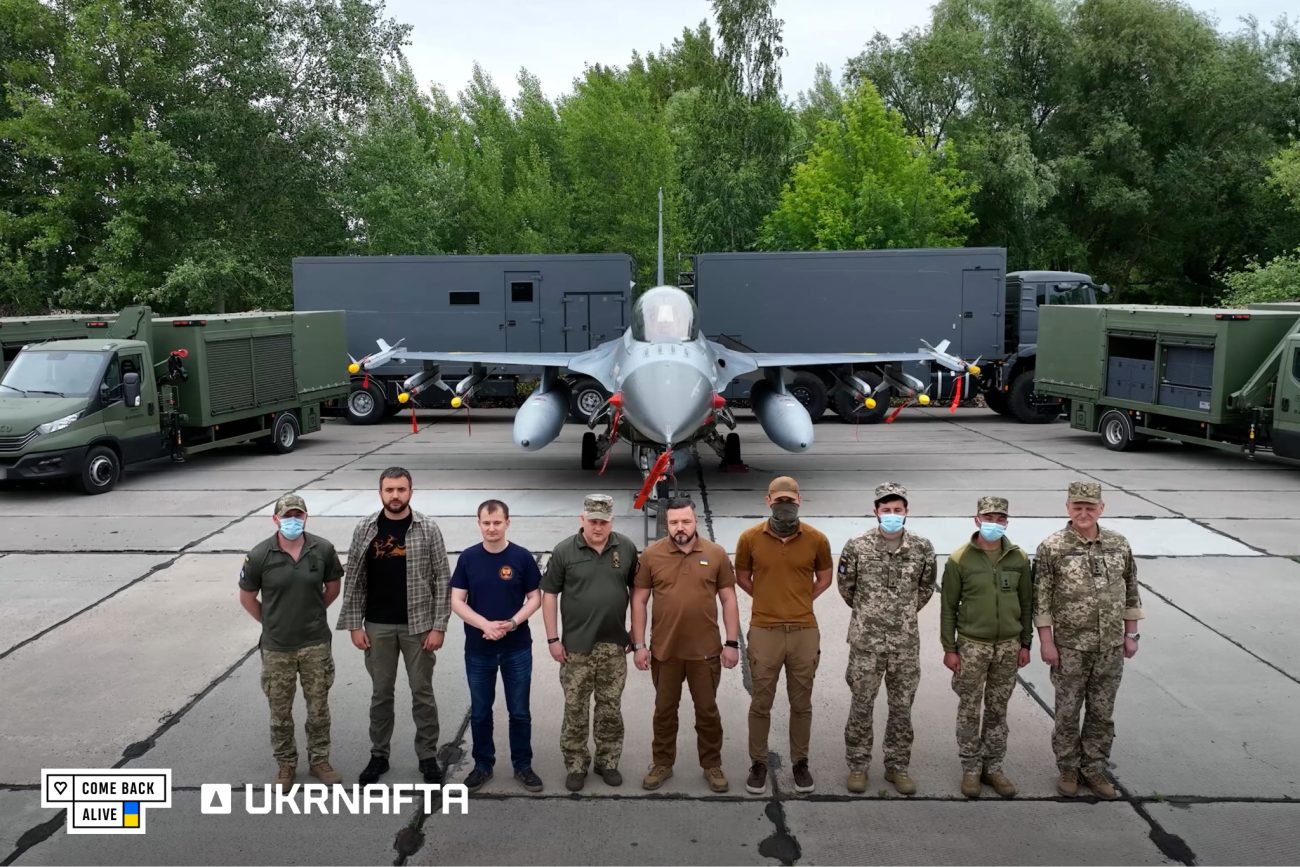
The Come Back Alive Foundation together with the Ukrainian defense industry, “Office 61,” and with the support of the state company “Ukrnafta,” developed, created, and handed over to the Air Force of the Armed Forces of Ukraine the first mobile complexes for F-16 maintenance. These are two technical hubs for aircraft and aviation weapons maintenance and one mission planning complex, which cost 51,354,554 UAH, of which “Ukrnafta” donated 49,438,176 UAH.
Faster Maintenance and Mobility That Didn’t Exist Before
Almost everywhere in the world, F-16s are serviced using stationary complexes — with their help, aircraft are inspected before flights and equipped with munitions. However, Ukrainian airfields are one of the enemy’s priority targets, so it’s becoming increasingly difficult to keep the aircraft safe.
The mobile complexes created by the Foundation together with its partners will solve this problem, and will also make it possible to reach aircraft that have made a forced maneuver or emergency landing, speed up the maintenance process, and involve fewer personnel.

What Mobile Complexes Consist Of
The two maintenance complexes include:
— one workshop each for the preparation and testing of aviation weapons;
— two vans each for attaching munitions to the aircraft;
— one pickup truck each for team movements.
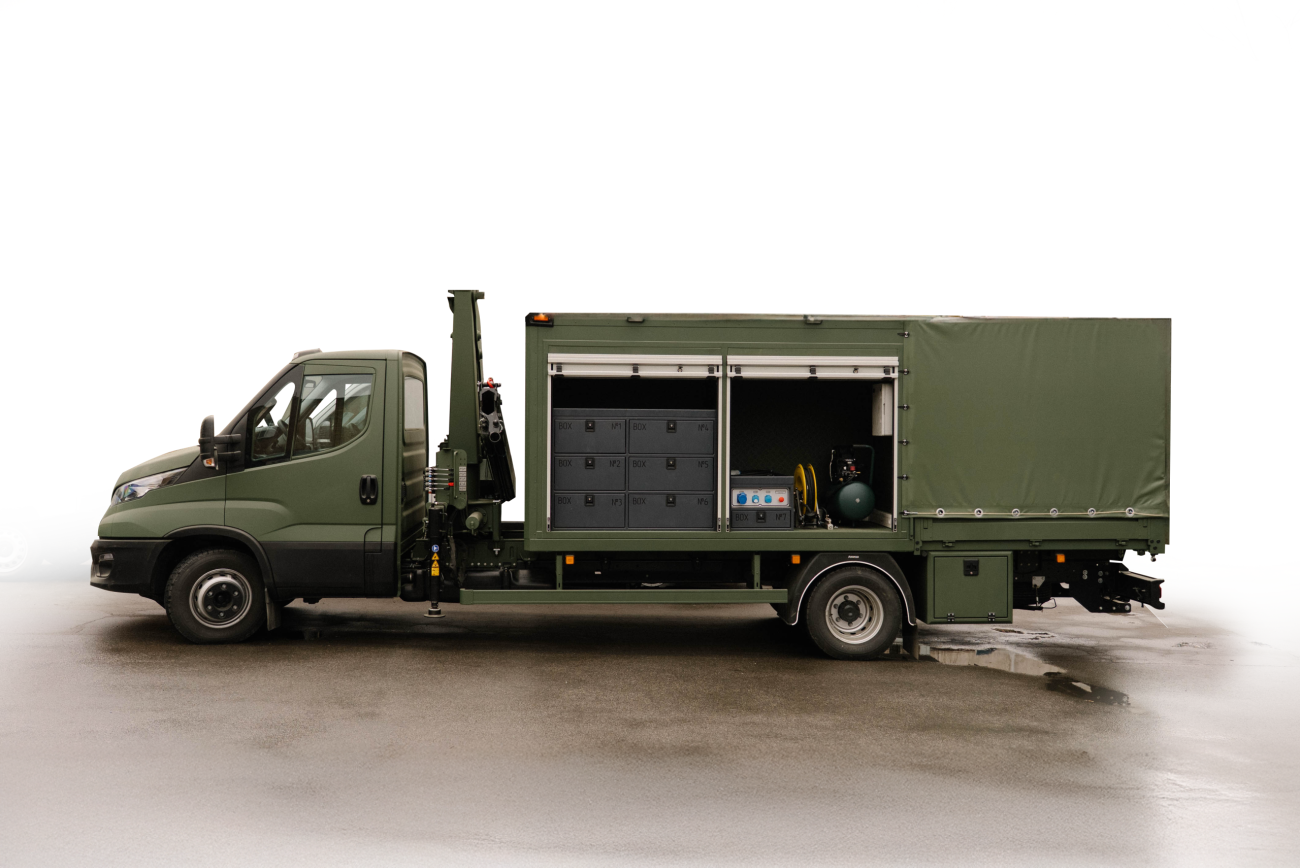
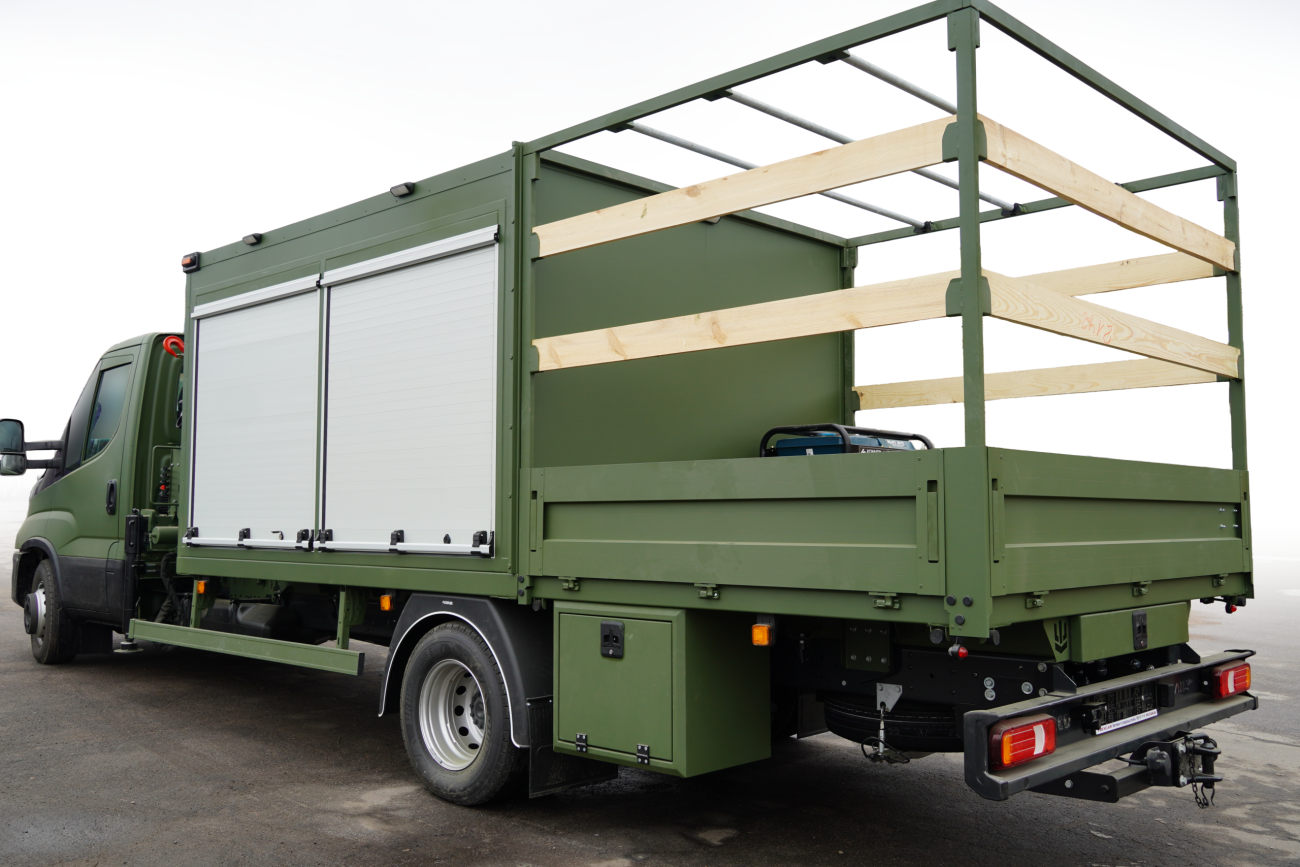
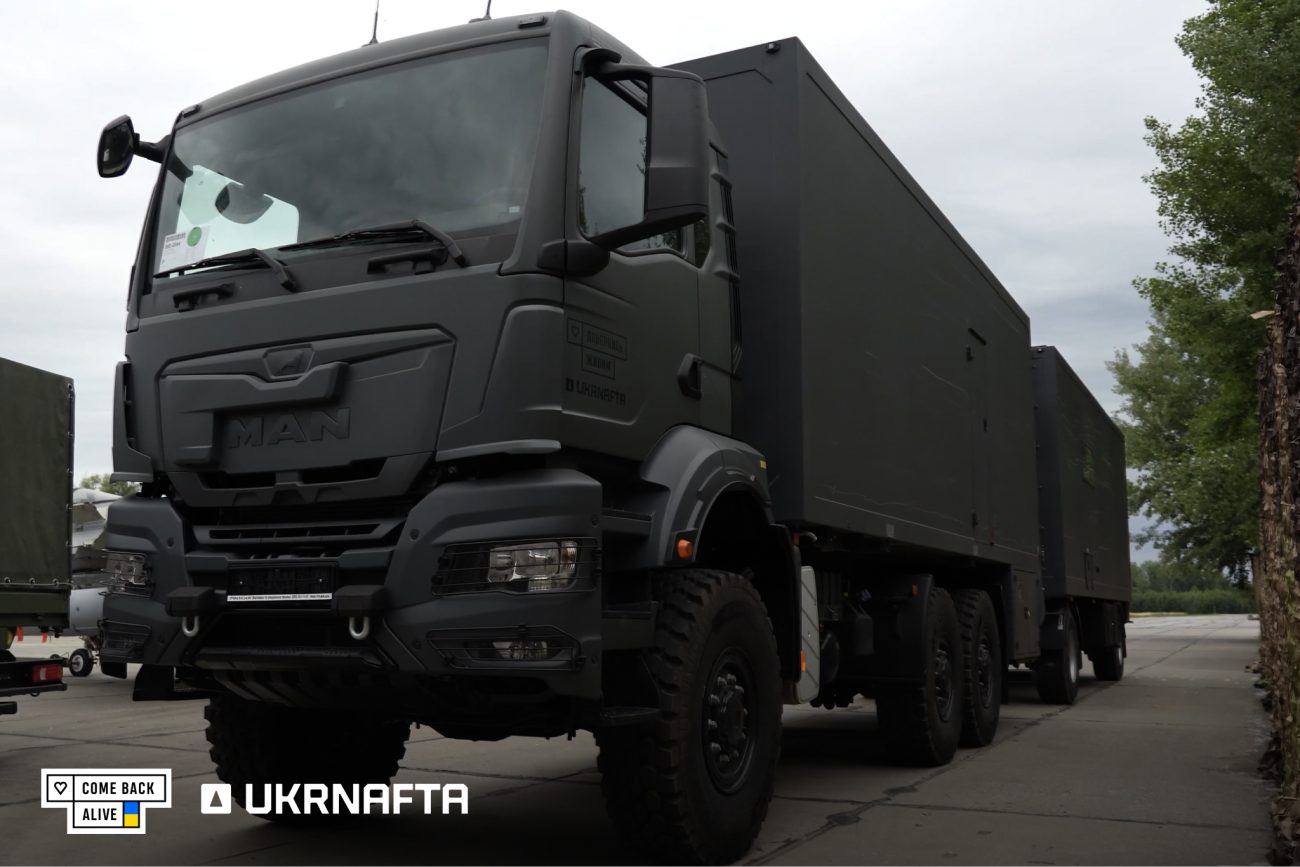
The mission planning complex is a mobile command point. Pre-flight briefings and aircraft escort in the nearby zone will take place there.
This complex includes:
— a module with workstations for five to seven operators;
— a residential module for long-distance relocations.
“This project became the Foundation’s first focused on working with the F-16. Here we solve two tasks: the first is a mobile mission planning command post; the second is preparation for the use of aviation weapons. The aircraft received by Ukraine appeared and existed in a closed ecosystem. They were not used the way we use them. Ours operate under the conditions of a full-scale war — with constant sorties and continuous Russian hunting for the aircraft.
So this unique technical solution, which we implemented with the domestic defense industry and with the support of Ukrnafta, is based on real needs in a real war. We will continue to accompany this track and, if necessary, adapt the developments to other aircraft that Ukraine will receive,” — says Taras Chmut, director of Come Back Alive Foundation.
What Will Change?
The operation of mobile complexes will make security measures more effective and simplify the aircraft maintenance process.
“This complex is the implementation of the most urgent needs of Air Force specialists. Taking into account the advanced experience of European countries regarding the use of aviation weapons, particularly the armament of F-16 aircraft. The need for such a complex arose due to the extensive system of aircraft basing and the lack of specialists. The implementation of this project will significantly increase the Air Force’s ability to destroy the enemy,” — says a representative of “Office 61.”
As Taras Chmut says, the cost of 51 million is small for such a large-scale project. Mobility in maintenance will make the work more efficient and safer.
“In conditions of limited time for the full deployment of infrastructure for the F-16, the most rational solution is to invest in a mobile ecosystem. It will allow for the maximum use of the capabilities of the most complex Western equipment already now, during a modern war, where efficiency and speed affect its course,” — says Taras Chmut.
You can support the Defense Forces and donate to new projects via the link.
